
Augmented Reality and Fashion: The Immersive Shopping Experience of Shein Online
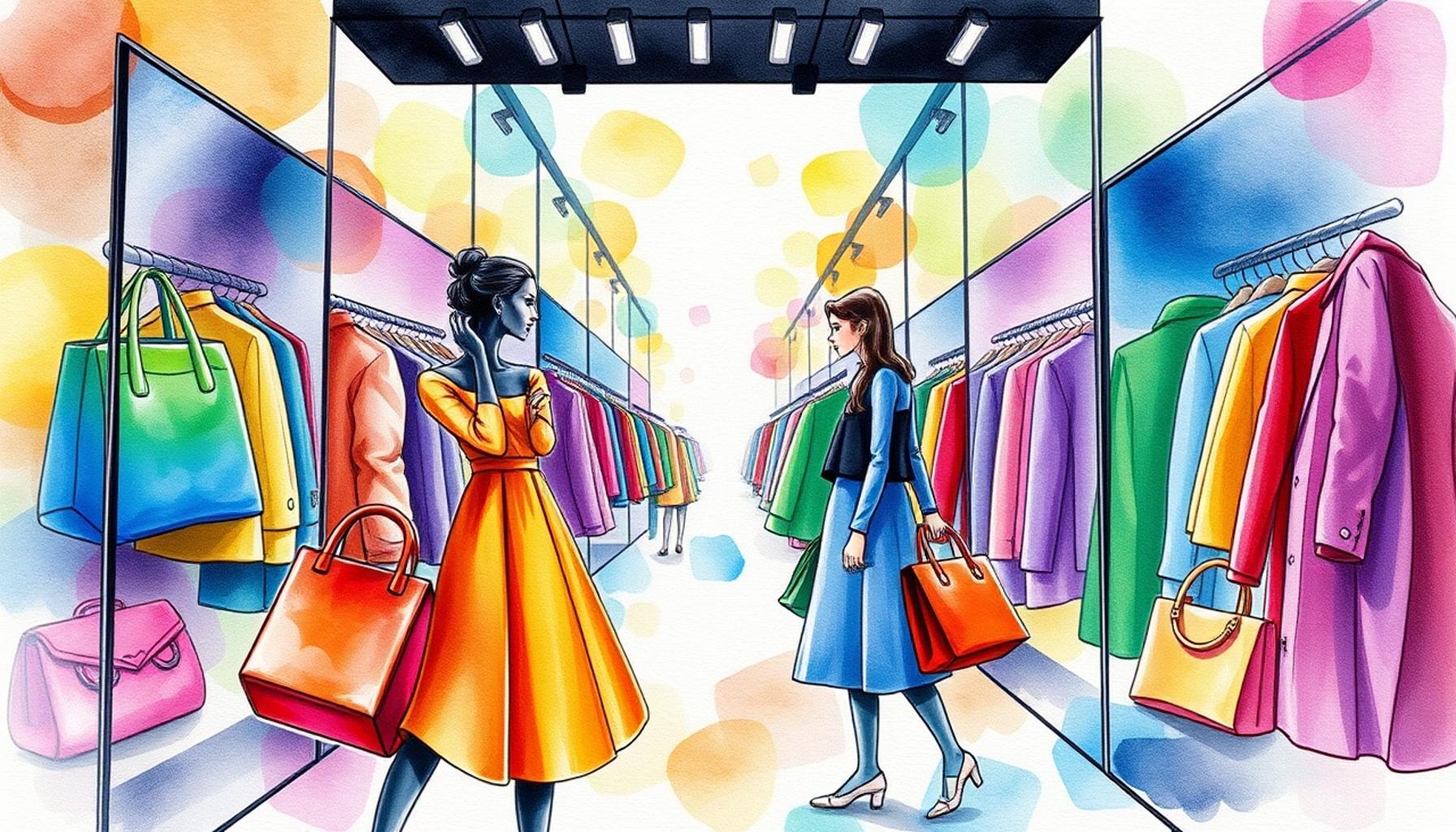
The Rise of Augmented Reality in Fashion Retail
As the retail landscape undergoes a seismic shift toward digital platforms, technology is becoming a vital component in transforming customer experiences. Augmented Reality (AR) is at the cutting edge of this transformation, offering innovative ways for brands to engage with consumers. Notably, Shein—a popular fast fashion brand—has been one of the early adopters of AR, creating a shopping experience that blends the digital and physical worlds seamlessly.
The potential of AR technology can be vividly illustrated by the concept of virtual fitting rooms. Imagine selecting a stylish dress or a trendy pair of shoes while comfortably seated in your living room. With AR, users can overlay virtual clothing onto their image in real-time, enabling them to gauge how the fabric drapes or how the colors complement their skin tone. This interactive experience allows shoppers to make more informed decisions without the common inconveniences associated with traditional online shopping.
Key Features of Shein’s AR Implementation
- Virtual Try-Ons: Customers can view 3D representations of clothing items on their own image to better understand how they will fit. This feature reduces uncertainty, leading to potentially higher purchase rates.
- Interactive Shopping: By enabling users to mix and match various items, Shein’s AR allows for creativity and personalization. Customers can create unique outfits by combining shirts, pants, and accessories virtually before making a commitment to buy.
- Enhanced Visualization: Shoppers can view products from all angles. This 360-degree visualization gives consumers a better sense of texture and detail, making the online shopping experience more tangible.
The introduction of AR in fashion retail is not merely a technological gimmick; it statistically reduces the likelihood of product returns—a significant issue in e-commerce, especially in the fashion sector where fitting and feel are critical factors. A study by McKinsey found that up to 30% of online apparel purchases are returned, often due to sizing and fit issues. By offering AR tools, brands like Shein are decreasing this rate, thereby saving costs and enhancing customer satisfaction.
As AR technology continues to evolve and become more integrated into everyday shopping practices, companies leading this charge are reshaping the future of retail. Augmented Reality and Fashion represents not just a tech trend but a significant shift in how consumers interact with products. It is an exploration into the immersive potentials of shopping—one that engages consumers deeply and personally.
As we move forward, the implications of AR in fashion retail are profound, allowing for connections that extend well beyond traditional purchasing experiences. The potential for brands to harness this technology to create unique and tailor-made shopping journeys promises to redefine retail as we know it.
DIVE DEEPER: Click here to discover more
Innovating User Interaction through AR
As retailers adapt to the changing dynamics of consumer behavior, the integration of Augmented Reality (AR) into online shopping is revolutionizing the way fashion is experienced. With platforms like Shein leading the charge, consumers are no longer passive observers but active participants. This innovative application of AR not only amplifies user interaction but also instills confidence in purchase decisions.
The essence of Shein’s AR capabilities lies in its user-friendly interface. By utilizing the phone’s camera, customers can see products featured on their own bodies, bridging the gap between the virtual and physical worlds. This virtual try-on experience offers a sense of immediacy that traditional online shopping often lacks. Instead of merely viewing images of clothes on models, consumers can see how those same styles translate to their own unique body shapes and sizes.
Benefits of Shein’s Augmented Reality Shopping Experience
The implementation of AR technology in Shein’s shopping experience offers several key advantages:
- Real-Time Feedback: Consumers receive instant feedback on how a garment fits or matches with their existing wardrobe, allowing them to make more informed choices.
- Increased Engagement: The interactive nature of AR fosters greater engagement, with customers spending more time exploring products and experimenting with different styles.
- Enhanced Customer Convenience: By simplifying the fitting process, AR reduces the stress and confusion associated with selecting the right size, offering a more streamlined shopping experience.
Moreover, as customers participate in the virtual fitting process, they often share their experiences on social media platforms, contributing to a community of engaged shoppers. This social interaction not only serves to promote the brand but also stimulates more personal connections among users, leading to a ripple effect of authenticity and genuine recommendations that resonate with potential buyers.
The incorporation of AR reduces common barriers that inhibit online shoppers, particularly in the fashion space. According to a report by Forrester Research, nearly 70% of consumers report hesitancy when purchasing clothes online, primarily due to uncertainties about fit and style compatibility. By addressing these concerns head-on, Shein’s AR tools empower consumers to shop with increased certainty and ease.
In a landscape where consumer expectations are evolving rapidly, the fusion of AR and online fashion is a compelling development that invites exploration. By inviting users into a realm where they can visualize themselves in their desired outfits, Shein sets a precedent for an immersive shopping experience that extends well beyond mere transactions.
Ultimately, the immersive shopping experience facilitated by AR technology not only promises a transformative impact on customer satisfaction but may also significantly determine brand loyalty in the competitive arena of online fashion. As augmented reality continues to grow, so too does the potential for a more engaged and satisfied consumer base, actively reshaping the future of fashion retail.
| Advantage | Details |
|---|---|
| Enhanced Visualization | Augmented Reality allows customers to see how clothing looks on them without trying it on physically. |
| Reduced Returns | By experiencing the item virtually, customers can make more informed decisions, leading to fewer returns. |
As consumers increasingly turn to online shopping, the compound effect of Augmented Reality (AR) and fashion retail presents an innovative solution, particularly through platforms like Shein. AR technology not only enhances the shopping experience but also aligns with the evolving digital landscape, where convenience and engagement are paramount. By providing immersive experiences, Shein effectively addresses the common challenge of consumers not being able to assess the fit and style of apparel accurately. With the capability to try on virtual outfits, customers interact with their prospective fashion items from the comfort of their homes. This level of interaction not only boosts consumer confidence in purchases but also aligns Shein with technological trends that favor a futuristic shopping experience. By prioritizing user engagement through AR, Shein crafts an online environment that captures attention and revolutionizes how consumers approach fashion retail. In such an experience-driven market, the fusion of technology and shopping unveils a new shopping paradigm—one where AR not only enriches visual aesthetics but also translates to a more seamless purchasing journey. As interest in immersive shopping continues to grow, understanding its implications for both consumers and brands becomes critical.
DIVE DEEPER: Click here to discover more insights
Empowering Consumers Through Personalization
The evolution of Augmented Reality (AR) in fashion shopping transcends mere virtual try-ons; it embodies a shift towards personalized consumer experiences. Shein’s AR technology harnesses data-driven insights to present tailored product recommendations, enhancing the shopping journey on an individual level.
By leveraging artificial intelligence in tandem with AR, Shein analyzes browsing habits, purchase history, and even customer reviews to curate a shopping experience uniquely tailored for each user. This level of personalization not only enhances user satisfaction but also drives conversion rates. A study by Adobe revealed that personalized experiences can lead to a 20% increase in sales—a testament to the impact of aligning consumer preferences with shopping journeys.
Moreover, Shein takes personalization a step further by allowing users to virtually accessorize their outfits with different accessories, shoes, and makeup through AR visualization. This holistic approach not only expands consumer engagement but also fosters creativity by allowing customers to experiment with complete looks before making a purchase. The ability to simulate entire outfits in a virtual space encourages users to think beyond individual pieces, leading to higher spending and greater satisfaction.
Building a Community with Augmented Reality
Another significant facet of Shein’s AR integration is its ability to foster a vibrant community among users. The company has recognized that shopping is often a social activity, and it has capitalized on this by integrating community features into its platform. AR tools can facilitate user-generated content, where consumers share their virtual try-on experiences on social media. Such engagement not only adds an organic marketing layer but also creates a sense of belonging among users.
With the rise of platforms like TikTok and Instagram, AR-enabled fashion experiences are highly shareable, allowing consumers to showcase their unique styles and generate buzz around Shein’s offerings. The power of social proof is amplified in this context, as potential customers seek validation from their peers rather than traditional advertisements. According to a survey conducted by Statista, nearly 60% of consumers are swayed toward a purchase based on social media recommendations. Thus, Shein’s emphasis on community engagement through AR becomes a powerful tool in influencing and expanding its user base.
Harnessing Analytics for Continuous Improvement
A further noteworthy aspect of Shein’s AR initiatives is the utilization of analytics to refine the shopping experience continually. Data collected from AR interactions—such as which styles are most frequently tried on or how long a customer spends fitting a particular item—provides valuable insights into consumer preferences. These analytics not only enable Shein to optimize inventory and design but also help in personalizing marketing campaigns.
The feedback loop created through AR technology allows Shein to adapt quickly to trends and consumer demands, translating to a competitive edge in the fast-paced fashion industry. Retailers who embrace such adaptive measures stand to gain traction among consumers who prioritize brand responsiveness and innovation.
As Shein continues to push the boundaries of augmented reality in fashion, the integration of personalization, community-building, and analytics highlights a comprehensive approach to enhancing the online shopping experience. This multifaceted strategy not only elevates the consumer journey but also positions Shein as a leader in the rapidly evolving intersection of technology and fashion.
DIVE DEEPER: Click here to discover how innovation is shaping fashion
Conclusion: The Future of Online Fashion Shopping
As we venture into an era where Augmented Reality (AR) becomes an integral part of consumer engagement, Shein stands at the forefront, redefining the online fashion shopping experience. The seamless blend of personalized recommendations, community interaction, and real-time analytics creates an immersive shopping environment that not only meets but anticipates consumer desires. This innovative approach enhances accessibility to fashion, allowing users to visualize and experiment with styles in a way that bridges the gap between physical and online shopping.
Shein’s commitment to fostering creativity and social connections through AR tools showcases how technology can revolutionize retail. By offering a platform where consumers can share their experiences and validate their fashion choices through community input, Shein turns shopping into a collaborative journey. The statistics underscore the effectiveness of this strategy; as highlighted earlier, personalized experiences can lead to significant increases in customer conversion rates, proving that consumer satisfaction and engagement pave the way for retail success.
Looking ahead, as AR technology continues to advance, the possibilities for brands like Shein are boundless. Future innovations may include even more sophisticated virtual fitting solutions and enhanced community features that further nourish an ecosystem of creativity and belonging. For those interested in the convergence of technology and fashion, exploring the depth of Shein’s immersive shopping experience provides a glimpse into the future of retail, signaling an era where individual style and community spirit thrive together.
In conclusion, as the boundaries of traditional shopping continue to dissolve, understanding the significance of AR in fashion can empower consumers and brands alike, heralding a new chapter in the world of online retail.

Linda Carter
Linda Carter is a digital business trends writer and strategist specializing in emerging technologies and online revenue models. With extensive experience helping entrepreneurs and professionals adapt to the digital economy, she shares actionable insights on our platform about monetization strategies, consumer behavior shifts, and next-wave innovations. Her goal is to empower readers with practical frameworks to future-proof their businesses and capitalize on digital opportunities.