

How to Build and Maintain a Good Credit History Using Credit Cards
Understanding the Importance of Credit Cards
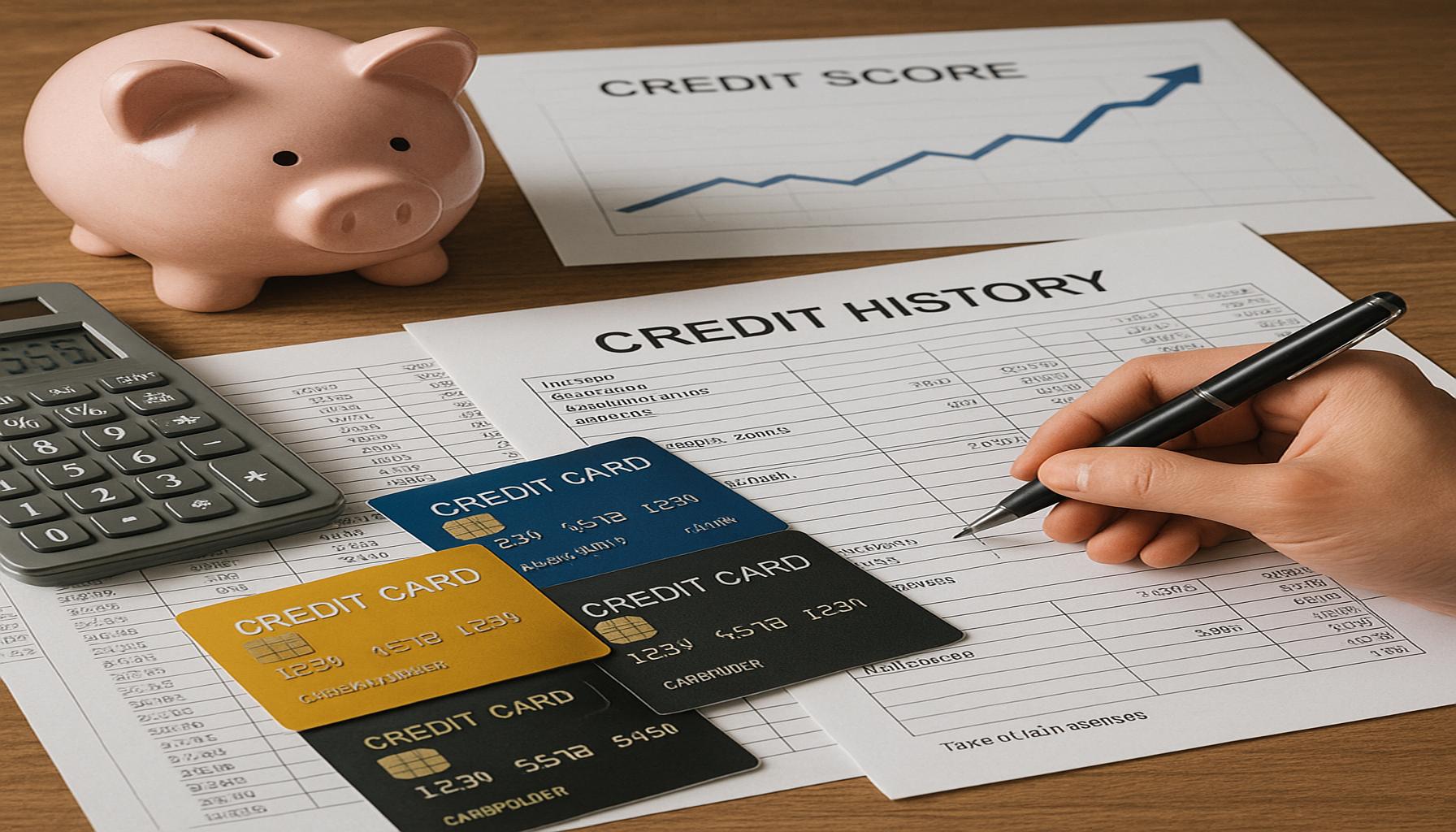
In the landscape of modern finance, having a solid credit history stands as a cornerstone of financial stability. This significance escalates as the digital world continues to evolve—bringing with it an array of innovative tools and technologies that can reshape how individuals engage with credit. In particular, credit cards have transitioned from merely a means of payment to vital instruments in building a sustainable credit profile.
Learning to harness the full potential of credit cards can be a transformative experience in your financial journey. The strategic use of credit cards can lead to several distinct benefits that can serve you well into the future:
- Convenient Transactions: Credit cards allow for seamless and quick transactions, making them the preferred choice for many Canadians. Whether it’s grocery shopping, online purchases, or dining out, the ability to make payments swiftly can help streamline daily life and eliminate hassles associated with carrying cash.
- Rewards Programs: A plethora of credit cards in Canada offer enticing rewards programs that can save you money or provide added value. For example, the Aeroplan® Visa Infinite Card allows users to earn points towards travel rewards, while cash-back cards can return a percentage of your purchases back to your wallet. These rewards can foster a sense of appreciation for responsible spending habits, ultimately enhancing your financial literacy.
- Credit Utilization Management: Maintaining a low credit utilization ratio—generally recommended to be below 30%—is crucial in preserving a healthy credit score. By using your credit card for regular expenses and promptly paying it off, you demonstrate financial responsibility to credit bureaus, which can lead to better credit opportunities in the future.
The Dawn of Digital Transformation
As we step further into an era defined by digital transformation, Canadian consumers are gaining access to an expansive toolkit designed to enhance their financial acumen. Tools such as mobile wallets like Apple Pay and Google Pay allow for contactless transactions that not only provide convenience but also improve budgeting practices. These digital solutions cater to a tech-savvy populace that values efficiency and speed.
In addition, the emergence of AI-driven forecasting tools can analyze spending patterns to offer personalized advice, ensuring users make informed financial decisions. Platforms such as Mint and Credit Karma offer real-time credit monitoring services, which equip Canadians with insightful data about their credit profiles, enabling them to take necessary actions to improve their scores.
By effectively employing these tools and embracing sound credit practices, Canadians are not just enhancing their spending power; they are actively investing in their financial identity. This investment can lead to numerous opportunities, from obtaining favorable loan rates to qualifying for premium credit cards that offer even greater rewards. With the financial landscape continuously evolving, it is an exciting time to explore how technology can cultivate a prosperous future in personal finance.
DISCOVER MORE: Click here to learn about the impact of automation on Canadian manufacturing
Embracing Credit Cards as Strategic Financial Tools
In the quest to build and maintain a good credit history, utilizing credit cards effectively is paramount. When wielded with care, they can significantly bolster your credit score and open doors to a multitude of financial opportunities. To maximize the advantages that credit cards can provide, it’s essential to grasp how they fit into your broader financial ecosystem.
First and foremost, establishing a credit card account is one of the initial steps toward building a credit history. Obtaining a credit card, particularly for young adults or individuals new to credit, acts as a springboard into the world of credit scores and reports. For instance, consider applying for a secured credit card if you are just starting out. This card requires a cash deposit as collateral, which not only mitigates risk for lenders but also serves as a solid foundation for financial responsibility.
Once you have a credit card, adopting a few key practices can set you on the path to creating a stellar credit history:
- Timely Payments: Always strive to pay your credit card bills on time. Timeliness is a crucial factor in calculating your credit score, accounting for nearly 35% of the overall score. Setting up automatic payments or reminders can help ensure that you never miss a due date, safeguarding your credit standing.
- Using Credit Responsibly: Monitor your spending habits to avoid overspending. A good rule of thumb is to keep your credit utilization— the ratio of your credit card balance to your credit limit—below 30%. For example, if your credit limit is $1,000, aim to keep your balance under $300. This practice not only avoids debt accumulation but also conveys to lenders that you are a responsible borrower.
- Regularly Reviewing Statements: Regularly examining your credit card statements can help you catch errors or fraudulent activities early. This vigilance not only protects your finances but also contributes to a more accurate credit report. Taking advantage of innovative apps that track spending can enhance your ability to manage purchases effectively.
- Building Credit Mix: Diversifying your types of credit can enhance your credit score. While credit cards are great for day-to-day transactions, consider responsibly managing different types of credit, such as installment loans or lines of credit, to create a comprehensive financial portfolio.
By actively engaging with these strategies, you will not only build a robust credit history but also pave the way for future financial endeavors. As lending criteria tighten and consumers become savvier, maintaining a good credit history is more vital than ever. Engaging with your credit cards responsibly equips you with the tools necessary to thrive in an economy driven by credit.
The integration of technology into the financial sector offers consumers unprecedented opportunities and access to their financial data. Capitalizing on these tools can heighten your credit journey, allowing you to make informed choices that can lead to long-term success in building and maintaining a good credit history.
DISCOVER MORE: Click here to learn how to diversify your investment portfolio
Leveraging Technology for a Modern Credit Management Experience
As we embrace the digital age, managing your credit card effectively requires an understanding of how to leverage technology. Innovative financial tools and apps are transforming the way consumers interact with their credit. From budgeting applications to advanced analytics, technology offers an array of solutions to enhance your credit management strategies.
One such innovation is the rise of mobile banking apps. Major banks in Canada, such as TD, RBC, and Scotiabank, offer comprehensive mobile solutions that not only allow you to manage your accounts seamlessly but also provide valuable insights into your spending habits. These apps can help you set personalized alerts for your payment due dates, track your credit utilization in real time, and analyze your spending patterns. By using these features, you can make informed decisions around your credit card usage, ensuring that you remain within your limits and maintain a healthy credit score.
The advent of credit score monitoring services is another essential tool in your arsenal. Services such as Borrowell and Credit Karma have made it easier for Canadians to monitor their credit scores for free. They provide insights into the factors affecting your score, allowing you to take proactive steps towards improving your credit health. These platforms also often offer personalized tips and resources tailored to your financial profile, enabling you to make educated decisions regarding your credit cards.
Moreover, artificial intelligence (AI) is beginning to revolutionize the way we approach personal finance. Many financial institutions are now using AI algorithms to enhance customer experiences by offering intelligent recommendations. Imagine receiving timely advisories on when to pay off your credit card or adjusting your spending patterns based on projected income. This kind of foresight can empower you to stay ahead of potential pitfalls while maximizing your credit history.
Furthermore, the shift towards contactless and mobile payments has fundamentally changed consumer behavior, especially among younger demographics. As credit cards become integrated with digital wallets like Apple Pay and Google Pay, the ease of making transactions has increased significantly. This shift allows you to earn rewards or cashback while ensuring that your card payments are timely and organized. Keeping your payment methods streamlined in this digital format can further enhance your ability to manage credit efficiently.
Another concept gaining traction is gamification in finance. Some apps now reward users for achieving credit-related milestones, such as maintaining low balances or making on-time payments. These gamified experiences can make it enjoyable to engage with your credit card management and motivate users to maintain positive financial habits, creating a win-win situation for both the consumer and the credit industry.
Lastly, being aware of emerging financial literacy resources can significantly empower your credit journey. Online platforms that provide free courses, webinars, and tutorials on financial management are proliferating. Utilizing these resources can enhance your understanding of credit scores, interest rates, and how credit card usage interacts with your overall financial health. This knowledge not only helps you make informed decisions but also equips you to navigate the evolving landscape of credit with confidence.
In conclusion, as technology continues to advance, leaning into these digital innovations will be vital for building and maintaining a good credit history. By embracing tools that promote financial accountability and offering insights into your credit behaviors, you open doors to improved financial outcomes in our fast-paced economic environment.
DISCOVER MORE: Click here
Conclusion
Building and maintaining a good credit history is essential in today’s dynamic financial landscape, and credit cards can serve as powerful tools when used wisely. Throughout this article, we’ve explored how to leverage various strategies and technologies to foster a strong credit profile. From establishing a solid payment record to effectively managing credit utilization, personal responsibility remains paramount for any credit card holder.
The integration of technology into credit management underscores the new era of financial literacy accessible to consumers. Utilizing mobile banking apps and credit score monitoring services empowers users to gain visibility into their credit behaviors, paving the way for informed decision-making. As artificial intelligence continues to evolve, it brings personalized insights that can further enhance financial management, making credit card usage more streamlined and effective.
Moreover, the rise of gamification in finance introduces an engaging element to maintaining good credit habits. By rewarding users for responsible behavior, financial management becomes not only a necessity but also a gratifying endeavor. As contactless payments further rise in popularity, consumers can harness the convenience of digital transactions while reaping potential benefits like rewards or cashback.
Ultimately, staying informed through emerging financial literacy resources equips you to navigate the complexities of credit with confidence. As Canadians, embracing this digital transformation creates opportunities for financial empowerment, ensuring we can build a thriving credit history that opens doors to future financial possibilities. In this way, we can harness the full potential of our credit cards, turning them into assets that enhance our financial well-being.

Beatriz
Beatriz Johnson is a seasoned financial analyst and writer with a passion for simplifying the complexities of economics and finance. With over a decade of experience in the industry, she specializes in topics like personal finance, investment strategies, and global economic trends. Through her work, Beatriz empowers readers to make informed financial decisions and stay ahead in the ever-changing economic landscape.


