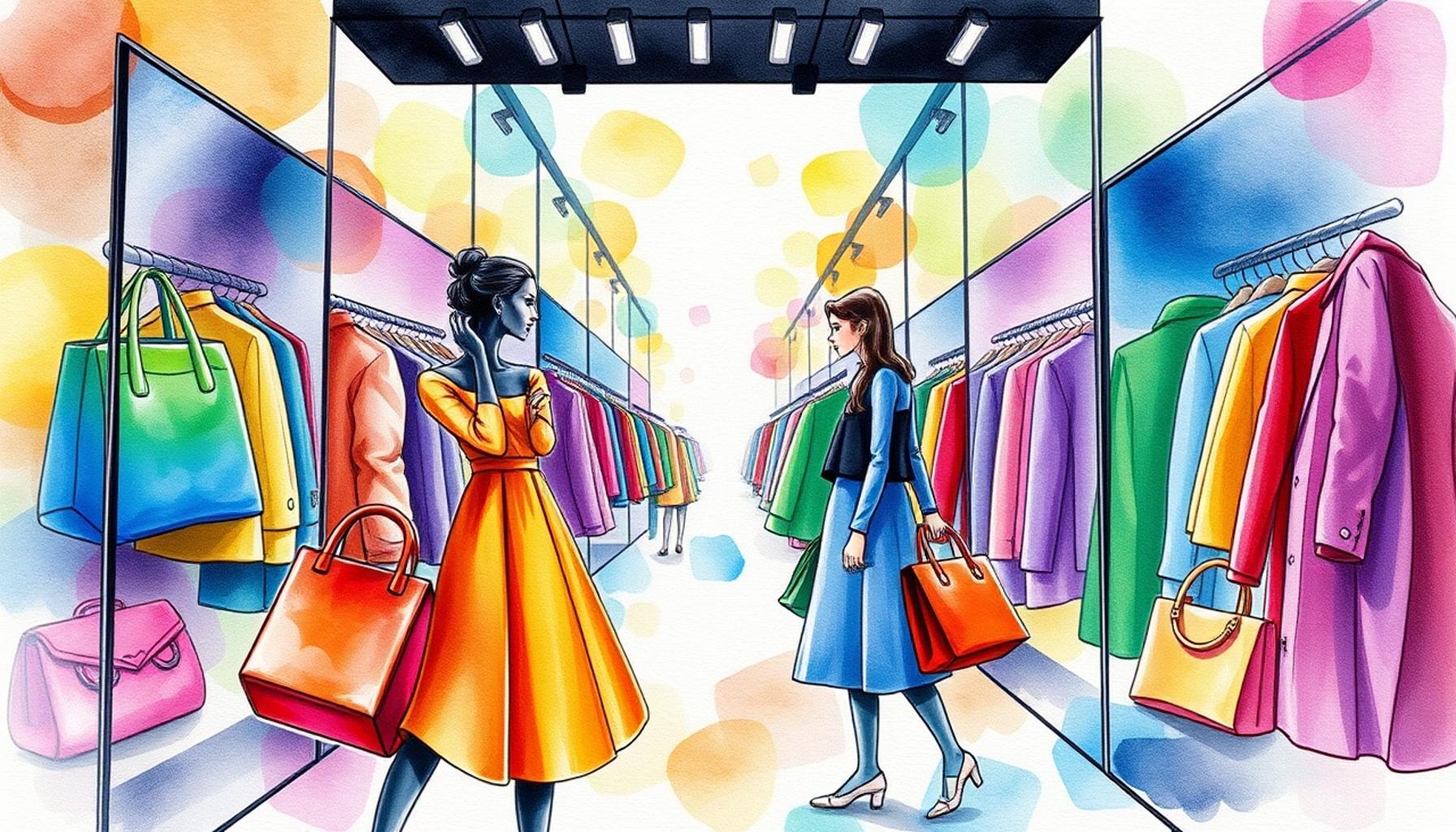
The Influence of Augmented Reality on Online Shopping at Shein

Shaping Online Consumer Interactions
In the rapidly advancing landscape of e-commerce, augmented reality (AR) has emerged as a transformative force, particularly for brands aiming to create unique shopping experiences. Retailers like Shein are at the forefront of this revolution, employing AR technologies that not only elevate user engagement but also significantly change how consumers perceive and interact with products in an online marketplace.
As online shopping continues to gain momentum — particularly in the United States, where millions of consumers enjoy the convenience of browsing from home — Shein utilizes AR to forge a deeper connection between shoppers and their purchases. By leveraging this cutting-edge technology, the brand allows customers to engage with their product range in unprecedented ways.
Key Features of AR in E-Commerce
The incorporation of AR features in Shein’s platform showcases how innovative tools can enhance the shopping experience. Among the standout offerings are:
- Virtual Try-Ons: This feature enables users to digitally “try on” clothing items, allowing them to visualize how outfits will fit and look on their own bodies. For instance, whether it’s a casual dress for a brunch or a stylish jacket for a night out, consumers can make more informed decisions without the need to visit a brick-and-mortar store.
- Enhanced Product Visualization: Shoppers can closely examine products from multiple angles through 3D models. This level of interaction helps in assessing the material, design intricacies, and overall aesthetics. Imagine being able to rotate a trendy pair of shoes or zoom in on the stitching of a jacket to get a real sense of quality before making a purchase.
- Interactive Style Recommendations: By analyzing user preferences and purchase history, AR can offer personalized styling suggestions. For example, if a customer frequently browses casual wear, the platform could recommend complementary accessories or other clothing items that align with their tastes, effectively enhancing the shopping journey.
With a staggering user base of over 30 million active shoppers in the U.S. alone, Shein is harnessing the power of AR to build consumer loyalty. Research indicates that the implementation of AR significantly boosts conversion rates, as potential customers feel more confident in their purchases. This innovative approach not only mitigates the rate of returns but also fosters a stronger bond between the consumer and the brand.
The blend of technology and fashion not only entices customers, but also sparks curiosity about the future of retail. As AR continues to evolve, it raises questions about how shopping will further adapt — both for Shein and other brands aiming to captivate digitally-savvy consumers. With ongoing investment in AR technologies, the boundaries between physical and digital shopping experiences are destined to blur, offering endless possibilities in how consumers connect with the products they love.
DISCOVER MORE: Click here to learn about digital influence in brand building
Transforming User Experience through Innovation
The integration of augmented reality (AR) into Shein’s online shopping platform represents a pivotal shift in how consumers interact with digital fashion retailing. By offering interactive and immersive shopping experiences, Shein aims to not only meet but exceed customer expectations in a competitive market. As consumers increasingly seek out technology-driven solutions to enhance their online shopping, it becomes essential to understand how AR is reshaping their purchasing decisions.
As shoppers navigate through Shein’s extensive catalog of fashion items, the presence of AR technology creates an opportunity for brands to foster deeper consumer engagement. For example, when potential buyers utilize the virtual try-on feature, they not only receive real-time visual feedback but also gain a sense of confidence in their purchasing choices. This confidence is crucial, as conventional online shopping often leaves consumers feeling uncertain about fit and style.
The Impact of AR on Consumer Confidence
One significant advantage of incorporating AR into online shopping is the reduction in product returns. Research shows that returns can account for up to 30% of online sales, a staggering statistic that impacts the profitability of brands like Shein. By allowing potential buyers to visualize products in a virtual environment, AR minimizes the chances of a mismatch between customer expectations and actual products.
Consider the following impacts of AR on consumer confidence:
- Enhanced Decision-Making: Shoppers make informed choices based on how clothes look on their virtual likeness, leading to a more satisfying shopping experience.
- Decreased Return Rates: By virtually trying on items, customers are less likely to return products that do not meet their expectations, enhancing overall customer satisfaction.
- Time Efficiency: The ability to quickly visualize various combinations without physically trying on different outfits saves both time and effort.
With these enhancements, Shein not only benefits from reduced return rates but also taps into the power of brand loyalty. As shoppers experience fewer frustrations while navigating the site, they are likely to return, continuing to build a long-term relationship with the brand. This loyalty is essential in a marketplace where competition is fierce and consumer preferences are constantly evolving.
The implications of AR extend beyond mere shopping convenience; they reflect a fundamental change in consumer behavior. As users become accustomed to interactive and personalized shopping experiences, brands that fail to invest in such technology risk being left behind.
In a landscape where digital shopping continues to evolve, the strategic implementation of AR by Shein exemplifies how technology can revolutionize customer experiences. As the e-commerce industry grows increasingly crowded, the influence of augmented reality on online shopping is poised to become a significant factor in defining the success or failure of retail brands seeking to capture the hearts of digital-savvy consumers.
The incorporation of Augmented Reality (AR) into the online shopping experience at Shein has transformed not just how consumers shop, but also how they engage with products. One of the most notable impacts of AR is its ability to enhance the visualization of clothing and accessories. By allowing customers to see how items look on them without physical trials, Shein’s AR feature significantly reduces the uncertainty associated with online purchases. This feature serves to bridge the gap between in-store and online shopping experiences.
Furthermore, AR technology provides a more interactive shopping environment. Customers can use their mobile devices to overlay digital images of clothing on their own bodies in real-time, facilitating a personal connection with products. This approach not only increases engagement but also enhances user satisfaction by allowing shoppers to make informed choices before completing a purchase.
Additionally, the use of Augmented Reality in the online retail space fosters a sense of community among users. Social media aspects, where shoppers share their AR experiences or outfit glimpses, can generate organic marketing through shared user content. This not only increases brand visibility but also reinforces consumer loyalty as shoppers become part of a larger community.
In an era where sustainability is a growing concern, AR also promotes responsible shopping by enabling users to visualize their choices responsibly. With reduced returns—a common issue in online retail—consumers are encouraged to purchase items they feel truly suit them. This helps mitigate the environmental impact associated with excessive shipping and returns.
The significance of augmented reality in online shopping cannot be overstated, and as technology continues to evolve, brands like Shein are on the forefront of redefining customer expectations and experiences in the digital shopping landscape. The strategic implementation of AR not only enhances the shopping journey but also paves the way for future innovations in online retail.
| Advantages | Key Features |
|---|---|
| Enhanced Visualization | AR allows users to see items on themselves in real time, reducing uncertainty. |
| Increased Engagement | Interactivity with digital overlays fosters a more personalized shopping experience. |
As we delve deeper into the impact of augmented reality within online shopping at Shein, it becomes evident that the future of retail lies in the seamless integration of technology and customer experience. This reality prompts ongoing conversations about innovation and user-centric approaches in the digital marketplace.
DISCOVER MORE: Click here
Enhancing Personalization and Social Connectivity
The personalization aspect of AR technology in online shopping cannot be overlooked, especially in a landscape dominated by consumer-driven preferences like that of Shein. As shoppers increasingly crave unique experiences that cater to their specific styles and tastes, AR provides a means for brands to facilitate this desire. Advanced algorithms and AR applications can analyze customer preferences and then recommend outfits that align with their style, creating tailored shopping journeys that resonate with individual fashion sensibilities.
For instance, features like style recommendations based on user interactions and virtual fitting rooms that adapt to varied body types have emerged as powerful tools within Shein’s platform. Users can input their measurements to receive personalized fit suggestions and showcasing items that complement their body shape. This not only assures them that they are receiving products suited to their individual needs but also fosters a sense of connection with the brand by promoting an inclusive shopping environment.
Social Shopping through Augmented Reality
Another layer of AR’s influence lies in its ability to foster social connectivity. As consumers traverse the landscape of digital retail, many desire not only to shop but to share their experiences with friends and peers. Through AR-enhanced features like Snapchat-style filters that allow users to create and share their AR try-on experiences, Shein is uniquely positioned to capitalize on this trend. Shoppers can easily send virtual pictures of outfits to their friends or family for feedback, thereby integrating social validation into their shopping process.
Moreover, AR opens the door to collaborative shopping experiences, where friends can try on items together in a virtual space. This aspect transforms shopping from a solitary task into a shared adventure, reinforcing social bonds and creating positive associations with the Shein brand. Such interactions can exponentially amplify marketing efforts, as user-generated content can be leveraged to reach wider audiences.
Influencing Purchases through Gamification
The immersive capabilities of AR also allow for gamification strategies to enhance the shopping experience. Shein can implement AR-based games or challenges that reward shoppers with discounts, loyalty points, or exclusive items. By making the shopping experience fun and engaging, brands are able to keep consumers coming back for more. Gamification not only increases user engagement but also has the potency to create a habit, thereby impacting long-term buying behaviors.
Recent studies highlight that a significant percentage of consumers are more likely to purchase from brands that offer immersive experiences. According to a report by McKinsey, brands that implement AR into their platforms reported a 27% increase in conversion rates compared to those that do not utilize such technology. This statistic underscores the effectiveness of AR in driving sales and enhancing the overall shopping experience.
As the line between physical and digital shopping continues to blur, the influence of augmented reality on online shopping at Shein presents exciting possibilities for the future of retail. With personalization, social connectivity, and gamification at the forefront, the platform not only captures the current consumer zeitgeist but also anticipates the evolving expectations of the digital shopper.
DISCOVER MORE: Click here to learn about AI’s impact on shopping personalization
Conclusion: The Transformative Power of Augmented Reality in Online Shopping
The emergence of augmented reality (AR) in online shopping, particularly within platforms like Shein, signifies a paradigm shift in how consumers engage with fashion. As explored throughout this article, AR technology enhances shopping experiences through personalization, social connectivity, and gamification, fundamentally altering consumer behavior and expectations.
With AR-driven features, Shein not only meets the demands of today’s shoppers for unique, tailored experiences but also builds an emotional connection with its audience. By allowing users to visualize products in real-time and receive personalized recommendations, the platform assures buyers that their needs and preferences are prioritized. This commitment to tailored experiences plays a crucial role in fostering customer loyalty.
Furthermore, the innovative aspects of AR facilitate social interactions during the shopping journey, bridging the gap between solitary browsing and collaborative engagement. As shoppers tap into social validation by sharing their experiences, Shein successfully integrates a community aspect into the retail space, capturing the essence of modern shopping habits.
On top of that, the gamification strategies driven by AR not only enhance user engagement but also incentivize purchases, turning shopping into a dynamic experience. Notably, the impressive 27% increase in conversion rates for brands incorporating AR into their platforms reflects the technology’s efficacy in driving sales.
In conclusion, the influence of augmented reality on online shopping at Shein presents an exciting forecast for the future of retail. As technology continues to evolve, the blend of immersive experiences and consumer-centric strategies will likely shape the next generation of online shopping, offering endless possibilities for both brands and consumers alike. For those interested in the future of digital retail, the dynamic realm of AR is undoubtedly a space worth exploring.

Linda Carter
Linda Carter is a digital business trends writer and strategist specializing in emerging technologies and online revenue models. With extensive experience helping entrepreneurs and professionals adapt to the digital economy, she shares actionable insights on our platform about monetization strategies, consumer behavior shifts, and next-wave innovations. Her goal is to empower readers with practical frameworks to future-proof their businesses and capitalize on digital opportunities.