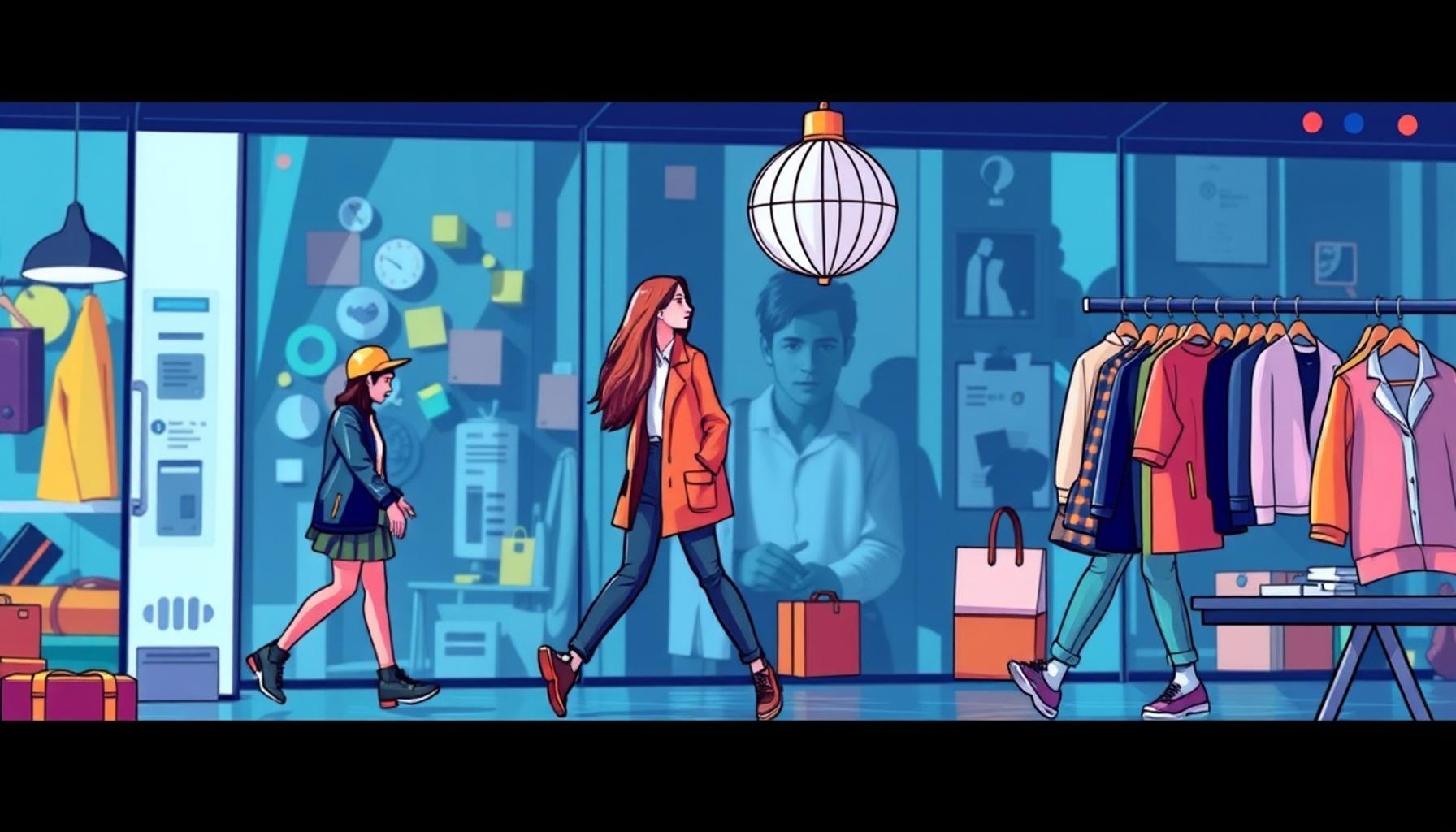
Customized Fashion Startups: Using Data to Create Unique Shopping Experiences

Exploring the Future of Fashion
The world of fashion is rapidly evolving, embracing a new era shaped by technology and consumer preferences. Customized fashion startups are at the forefront of this change, utilizing data analytics to craft personalized shopping experiences. These innovative companies are redefining how we perceive style and fit.
Why Customization Matters
As traditional retail approaches become less appealing, consumers are increasingly seeking individuality in their wardrobe selections. The rise of customized fashion is directly tied to several significant trends and shifts in consumer behavior:
- Personalization: Shoppers want unique styles that reflect their personality. The demand for customization has fostered new avenues for expression. For example, brands like Stitch Fix not only curate clothing based on personal style profiles but also allow customers to provide feedback on what they receive, enhancing future selections and creating a feedback loop that benefits both parties.
- Better Fit: Custom products often lead to enhanced comfort and satisfaction. Brands such as Fit Jeans and Aurora leverage technology to analyze body measurements and create jeans or dresses that fit perfectly, eliminating the frustration of returns and size inconsistencies often seen in mass-produced garments.
- Brand Loyalty: Personalized experiences foster stronger connections between brands and consumers. When customers receive products tailored to their preferences, they are more likely to develop a sense of loyalty to the brand. Companies like Nike have tapped into this by allowing consumers to design their sneakers, which not only personalizes their purchase but also enhances emotional investment in the brand.
The Role of Data
Customized fashion startups leverage advanced data science to understand consumer preferences better. They utilize various data points, including:
- Purchase History: Analyzing what customers buy to forecast their needs. This allows brands to anticipate trends and stock their inventories accordingly, reducing waste and enhancing customer satisfaction.
- Social Media Insights: Gathering trends and styles that resonate with different demographics. Platforms like Instagram and Pinterest serve as valuable resources for fashion companies to identify what styles are trending among various age groups and audiences.
- Size and Fit Algorithms: Creating accurate sizing models based on user information. Startups like Unspun use proprietary technologies to eliminate the discrepancies in sizing, offering made-to-measure clothing that reflects real fit, which is especially important in a market heavily skewed toward vanity sizing.
With such powerful tools at their disposal, these startups are not just selling clothes; they are delivering experiences tailored to each shopper’s desires. As we dive deeper into this topic, the impact of technology on the fashion industry becomes increasingly apparent. From improved sustainability through reduced waste to the democratization of fashion through accessible customization, the future of clothing is undoubtedly influenced by an integration of technology and personal expression. As consumers continue to demand unique and well-fitting options, we can expect this trend to expand even further, leading to a fashion landscape that prioritizes individuality and precision.
DISCOVER MORE: Click here to learn about getting free products from Shein
Understanding Consumer Engagement
In today’s fast-paced retail environment, customer engagement has become a cornerstone of successful business strategies. Customized fashion startups are harnessing the power of data to create meaningful connections with their consumers, ultimately leading to more satisfying shopping experiences. These companies not only capture a wealth of information but also analyze it to meet the evolving desires of their target audience.
The Power of Predictive Analytics
At the heart of personalized shopping experiences is predictive analytics. This technology allows brands to forecast future buying behaviors by analyzing past purchases, browsing patterns, and even demographic data. With predictive analytics, startups can identify trends and tailor their offerings accordingly. This is particularly advantageous in an industry as volatile as fashion, where trends can change overnight. Some key metrics that companies consider include:
- Seasonal Trends: Understanding which styles gain traction during specific seasons allows brands to stock items with higher demand.
- Returning Customers: By analyzing repeat purchase data, brands can fine-tune their marketing strategies and retention efforts, ensuring that loyal customers receive products aligned with their changing tastes.
- Customer Feedback: Post-purchase surveys and reviews serve as rich data sources; they guide product development and help companies refine their offerings to meet consumer expectations better.
Driving Innovation through Technology
Customized fashion startups are not only utilizing data for reactive strategies but are also employing it to drive innovation. Techniques like 3D body scanning and augmented reality (AR) allow customers to visualize clothing fit and style before making a purchase. Brands such as Zalando have adopted AR to enable shoppers to “try on” outfits virtually from the comfort of their homes, enhancing the overall shopping experience and mitigating the challenges of online clothing purchases.
The integration of data analytics into the fashion supply chain also enhances the sustainability of these startups. By using data to analyze consumer demands, brands can minimize overproduction and subsequently reduce waste. According to a study by the Boston Consulting Group, the fashion industry is responsible for producing 92 million tons of waste annually. Customization plays a vital role in shifting towards a more sustainable model, as it promotes the production of clothing that aligns more closely with consumer demand, thereby lessening strain on the environment.
As customized fashion startups continue to harness the power of data, their ability to create tailored shopping experiences is expected to revolutionize the market. The intersection of personalization and technology is not only providing consumers with unique clothing options but also forging deeper brand connections. As we venture further into this trend, it becomes clear that the future of fashion revolves around harnessing data to address individual style preferences and needs.
| Advantage | Description |
|---|---|
| Personalized Shopping Experience | Utilizes data analytics to tailor product recommendations based on individual preferences and previous purchases. |
| Increased Customer Engagement | Data-driven strategies enhance interaction, leading to higher customer loyalty and retention rates. |
| Better Inventory Management | Analyzing sales data assists in making informed decisions regarding stock levels, minimizing waste. |
In today’s competitive landscape, customized fashion startups leverage advanced data analysis techniques to ensure a unique shopping experience for consumers. By tapping into a wealth of data, these companies can deliver tailored recommendations that resonate with individual tastes, boosting their customers’ satisfaction. The concept of personalized shopping has transformed retail, driven by analytics that interpret shopping behaviors and preferences.Furthermore, the growing emphasis on data-driven insights has led to substantially improved inventory management practices. Access to real-time analytics helps predict trends and adjust stock levels accordingly, reducing surplus inventory and aligning supply with customer demand. This strategic insight does not only result in better financial outcomes but also enhances the overall purchasing experience, making it smoother and more enjoyable for shoppers. As a result, fashion startups are increasingly poised to revolutionize the retail sector, demonstrating the undeniable power of customization using data.
DIVE DEEPER: Click here to uncover more insights
Enhancing the Customer Journey
Customized fashion startups are revolutionizing the customer journey by leveraging data to not only enhance the shopping experience but also to create a sense of community among consumers. By understanding customer behavior, preferences, and social interactions, these brands are able to foster loyalty and encourage repeat purchases. This transformative approach is achieved through multiple stages of the shopping experience, from discovery to post-purchase engagement.
Personalization at Every Touchpoint
Personalization is no longer just a buzzword; it is a necessity for achieving success in the fashion industry. Customized fashion brands are now using sophisticated algorithms to curate specific product recommendations for each individual user. This is evident in platforms like Stitch Fix, which uses stylists combined with customer data to deliver personalized clothing selections. By analyzing factors like past purchases, preferences, and even feedback gathered from “style quizzes,” these companies are providing tailored shopping experiences that resonate with each customer.
Moreover, startups are finding innovative ways to engage customers through social media platforms. For instance, brands like Everlane utilize Instagram to showcase not just their clothing but also the stories behind their creations. Through interactive polls and user-generated content, they actively involve consumers in the design process, enhancing the sense of community. This strategy not only makes consumers feel valued but also drives brand loyalty. According to research by HubSpot, 67% of consumers prefer brands that communicate in a personalized way, which reaffirms the importance of data-driven engagement.
Omni-channel Strategy for Seamless Experience
In today’s retail landscape, the traditional shopping experience is evolving. Customized fashion startups are embracing an omni-channel strategy that provides customers with a seamless experience across various platforms. By analyzing data across different sales channels, brands can understand how customers interact with their products and services. This insight enables them to create cohesive customer experiences that blend online shopping with physical store visits.
For instance, a customer might explore a fashion startup’s online platform, use their app for recommendations, and ultimately visit a store to try on the selected outfits. This approach not only maximizes convenience but also caters to the shifting preferences of modern consumers who value flexibility. As statistics show, 73% of consumers use multiple channels during their shopping journey, emphasizing the need for cohesive experiences that span both digital and physical realms.
The Role of Artificial Intelligence in Fashion Customization
Another layer of innovation comes from the application of artificial intelligence (AI) in creating customized fashion experiences. Startups are utilizing AI-powered chatbots to provide instant assistance, recommend outfits, and answer inquiries. This level of accessibility significantly improves customer satisfaction and increases the likelihood of purchase conversions. Beyond chatbots, AI can analyze trends and consumer behavior in real-time, adapting to changes in preferences almost instantaneously.
Furthermore, techniques such as machine learning enable brands to predict future fashion trends with remarkable accuracy. By continuously sifting through vast amounts of data, these systems can identify patterns that often remain invisible to human analysts. As noted by industry experts, AI-driven insights can lead to up to 30% increases in sales for fashion retailers who effectively implement these technologies.
With the emergence of these technologies, customized fashion startups are not merely positioning themselves for immediate success but are also building resilient business models that prioritize consumer engagement and satisfaction. By fully embracing data-driven strategies, these brands are setting a new standard in the industry, fostering deeper connections while embracing the unique preferences of their consumers. As this trend continues to unfold, it is poised to redefine how we think about shopping and fashion in the modern age.
DISCOVER MORE: Click here
Conclusion: The Future of Fashion is Personalized
As we navigate the evolving landscape of the fashion industry, it is clear that customized fashion startups are setting a new precedent for how consumers engage with products and brands. By harnessing the power of data, these innovative companies are able to create uniquely tailored shopping experiences that not only cater to individual preferences but also foster a thriving sense of community.
The strategic utilization of artificial intelligence and machine learning is transforming how fashion brands understand consumer behavior and predict trends. This is evident in the substantial increases in sales and customer satisfaction for those who effectively implement these technologies. Moreover, by incorporating an omni-channel strategy, startups are ensuring that consumers enjoy a seamless shopping experience, whether they are browsing online or engaging with a physical store.
In a world where consumers increasingly seek personalized experiences, the ability to interact with a brand on various platforms while feeling valued and understood is paramount. As highlighted by recent studies, modern shoppers value personalized communication, which makes it essential for startups to continuously adapt to evolving trends.
Looking forward, the ingenuity exhibited by customized fashion startups signifies not just a temporary shift, but a fundamental transformation in the retail landscape. As more brands adopt data-driven approaches and prioritize personalized experiences, we are likely to witness a complete reshaping of what it means to shop for fashion in the United States and beyond. For consumers and entrepreneurs alike, this is a thrilling time to engage with the world of fashion.

Linda Carter
Linda Carter is a digital business trends writer and strategist specializing in emerging technologies and online revenue models. With extensive experience helping entrepreneurs and professionals adapt to the digital economy, she shares actionable insights on our platform about monetization strategies, consumer behavior shifts, and next-wave innovations. Her goal is to empower readers with practical frameworks to future-proof their businesses and capitalize on digital opportunities.