
Financial Information and Sustainability: How Data Helps in Choosing Ethical Investments
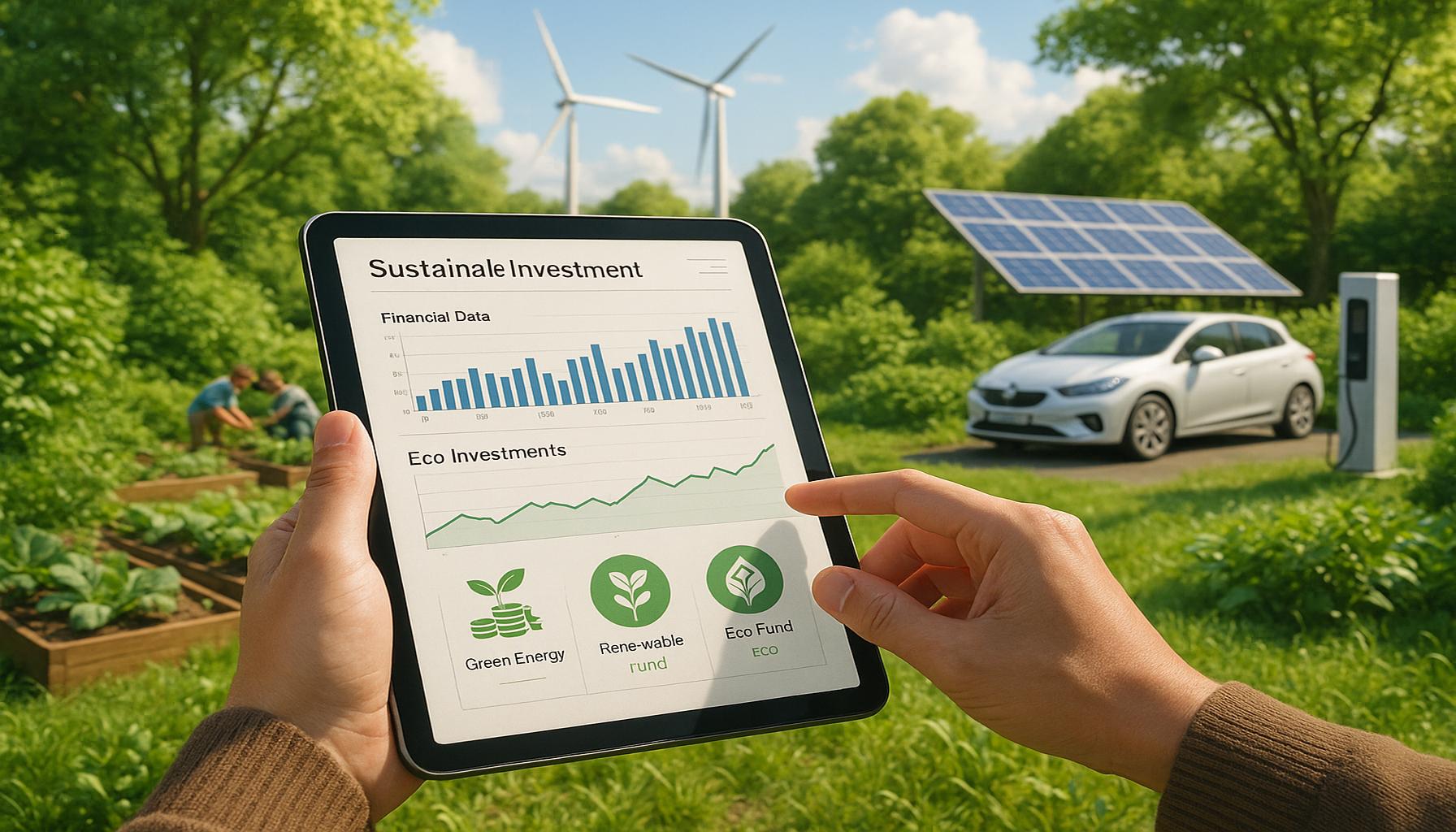
Unlocking the Future of Ethical Investing
The financial landscape is undergoing a seismic shift as technology and sustainability converge. With the rise of digital tools, investors now have access to comprehensive data that empowers them to make informed choices. This transformation is revolutionizing how people view and engage with investment opportunities, particularly within the realm of ethical investing.
Understanding the benefits of financial data for ethical investments:
- Transparency: Enhanced access to corporate performance metrics, including environmental impact, is pivotal. For example, platforms like Wealthsimple offer data that allows investors to track the carbon footprint of companies, ensuring they can make choices that align with their ecological values.
- Accountability: Real-time monitoring of company practices fosters responsible behavior. Investors can leverage tools like Sustainalytics, which provide updates on corporate governance issues and ethical breaches, promoting a culture of accountability among businesses.
- Innovative technologies: Big data analytics and AI help identify sustainable investment opportunities. By analyzing patterns and trends in ecological impact, investors can pinpoint companies that prioritize sustainable practices, leading to informed investment decisions.
As Canadians become more conscious of social and ecological issues, the demand for ethical investment options grows considerably. This shift in perception is manifesting in various ways; for instance, a survey conducted by The Responsible Investment Association found that over 80% of Canadians are interested in incorporating environmental, social, and governance (ESG) criteria into their portfolios. Emerging trends highlight the importance of aligning financial goals with personal values, showcasing an increased desire for investments that not only yield returns but also support a greater good.
Key elements shaping ethical investment choices include:
- ESG (Environmental, Social, Governance) criteria: Determining a company’s commitment to ethical practices can dramatically shift portfolio allocations. Companies like TELUS have made headlines for their dedication to sustainable operations, drawing ethical investments due to their responsible corporate philosophy.
- Impact investments: Focusing on projects that deliver measurable benefits to society and the environment is gaining traction. Initiatives funding clean energy projects or community development are appealing to investors who want to see tangible results from their financial contributions.
- FinTech solutions: Innovative platforms like FrontFundr are enabling easier access to ethical investment opportunities. These platforms demystify the investment landscape by connecting individuals with impact-driven companies, allowing investors to directly participate in funding socially beneficial ventures.
With these tools, Canadian investors are not just chasing returns but are on a mission to create positive change. The synergy between technology and ethical investing is leading to a more inclusive financial future. This digital transformation creates not only opportunities for wealth accumulation but also fosters a sustainable world for generations to come. Engaging in this innovative landscape not only enhances financial literacy but also promotes a collective responsibility towards societal and environmental resilience.
DIVE DEEPER: Click here to discover the best brokers for investing in Canada
Harnessing Data for Ethical Decision-Making
In an age where information drives decisions, the role of data in shaping ethical investments cannot be overstated. Investors are now empowered with the ability to scrutinize not only traditional financial metrics but also crucial environmental, social, and governance (ESG) factors. This holistic view of investments allows for better alignment with personal values and societal needs, setting the stage for a groundbreaking transformation in the financial realm.
One of the core aspects that have evolved is the integration of advanced analytics into investment strategies. Utilizing data science, investors can analyze multiple dimensions of sustainability and corporate responsibility, allowing them to make nuanced decisions that resonate with their ethical standards. For instance, by employing machine learning algorithms, investment platforms can process vast datasets to identify trends in corporate behavior and sustainability practices, highlighting potential investment opportunities that might otherwise go unnoticed.
Revolutionary tools and technologies empowering investors:
- Blockchain technology: This innovative technology guarantees transparency in supply chains and corporate governance. Companies that leverage blockchain provide verifiable data regarding their sustainability claims, enabling investors to trust that their funds are directed toward ethically responsible operations.
- Robo-advisors: These automated platforms are making it easier than ever for individuals, regardless of their financial expertise, to curate portfolios that align with their values. Robo-advisors can incorporate ESG criteria into their algorithms, ensuring that clients’ investments reflect their personal commitment to sustainability.
- Web scraping and data aggregation: Investors can now access real-time information about companies’ sustainability efforts through automated data collection methods. This allows them to stay informed of any changes in corporate practices or new developments, which can significantly influence investment decisions.
As these cutting-edge technologies reshape the landscape of investment, they also create new opportunities for social impact. With the Canadian market increasingly vibrant and focused on sustainability, investors are drawn to local initiatives that yield both financial returns and positive community impacts. For example, the growing popularity of green bonds—debt securities issued to finance projects that have positive environmental benefits—has captured the attention of investors looking to fund responsible development while also earning a return.
This dynamic interplay between finance and sustainability is elevating the importance of ethical investment choices in Canada. A report from the Canadian Institute of Actuaries shows a significant increase in assets under management within the responsible investment sector, emphasizing that investors are not just following trends but are also consciously shaping a more sustainable economic future.
Moreover, the rise of impact data platforms allows investors to assess the tangible outcomes of their investments, showcasing that ethical investing can produce positive change. By measuring metrics such as carbon emissions reductions or job creation in disadvantaged communities, these platforms demonstrate the potential of capital to drive social and environmental progress.
As the digital transformation continues to unfold, investors are well-positioned to leverage these innovations, ensuring their portfolios reflect their commitment to a sustainable world. The amalgamation of financial data and ethical investing is not just a trend; it represents a profound shift towards aligning profits with a purposeful impact on society and the planet.
DISCOVER MORE: Click here for easy application tips
The Future of Investing: Data-Driven Sustainability Engagement
The advent of big data has revolutionized the way investors interact with companies and their sustainability initiatives. Gone are the days when financial assessments were blind to ethical considerations; now, sophisticated algorithms facilitate an unprecedented level of engagement with corporate sustainability. By mining vast troves of data, investors can unearth critical insights into a company’s environmental impact, labor practices, and overall governance, shaping investment approaches that go beyond mere profit maximization.
As sustainability becomes an increasingly vital topic, tools that analyze the long-term impacts of climate change on investments are emerging. This is particularly relevant for Canadian investors, as the nation grapples with numerous environmental challenges, such as wildfires and melting glaciers. For instance, geospatial analytics can help assess the geographic vulnerabilities of investments in real estate or agricultural sectors susceptible to extreme weather events. By quantifying these risks, investors can make informed decisions, steering clear of potentially devastating losses while supporting resilience in business practices.
The role of predictive analytics in forecasting the sustainability performance of companies cannot be overlooked. These analytics enable investors to anticipate future trends based on existing data patterns, allowing for proactive engagement with companies that may not currently meet ethical standards. By utilizing this foresight, investors can not only mitigate risk but also influence corporate behavior through shareholder engagement and active ownership strategies. For example, Canadian pension funds are increasingly using their significant capital to advocate for better environmental practices among companies, sharing a vision of a sustainable economy that benefits all stakeholders.
Another promising frontier is the collaboration between financial institutions and startups that specialize in sustainability technology. This synergy is redefining investment opportunities while propelling innovation in sustainable practices. Startups are developing groundbreaking solutions, from carbon capture technologies to renewable energy systems, prompting investors to explore new avenues for ethics-driven capital allocation. Universities and research institutions are also stepping up, forming partnerships with the financial sector to curate investments in solutions aligned with climate goals and social equity.
In Canada, the recent boom of ESG-focused exchange-traded funds (ETFs) exemplifies this transformative shift in investment strategy. These funds provide investors with broad exposure to a range of companies meeting strict sustainability criteria, allowing individuals to pursue growth while promoting social responsibility. The rapid growth in the number of Canadian ESG ETFs reflects a demand for transparency and accountability in investment choices and an eagerness to support companies that prioritize environmental stewardship and social impact.
Furthermore, the advent of social media and online communities is also reshaping investor behaviors. Platforms like the Toronto-based Wealthsimple allow investors to curate portfolios based on personal values, encouraging dialogue around the ethical implications of investments. This online engagement promotes collective decision-making and accountability, embedding sustainability into the core of investment practices.
With an abundance of data flowing freely and new technologies emerging, it is evident that the landscape of ethical investment is not static but rather continuously evolving. As Canada positions itself as a leader in ethical finance, the synthesis of digital innovations with sustainability efforts offers a compelling pathway for transforming investment strategies that cater to the priorities of a more conscientious generation of investors.
DISCOVER MORE: Click here to learn how to save on rent and housing
Embracing a Sustainable Investment Landscape
As we stand on the brink of a new era in investment, the confluence of big data and ethical considerations is reshaping the financial landscape. The integration of advanced analytics has empowered investors to make informed decisions that transcend mere profits, aligning financial success with a commitment to sustainable practices. The rise of ESG-focused funds and innovative collaboration with tech startups are paving the way for a future where financial growth supports not just economic prosperity, but also social and environmental responsibility.
Canadian investors are uniquely positioned to leverage these trends, utilizing tools such as geospatial analytics and predictive modeling to assess potential risks and opportunities that come with climate change and sustainability initiatives. Furthermore, the digital transformation of financial platforms encourages personalization and community engagement, enabling investors to curate portfolios that reflect their values and drive collective accountability.
As the demand for transparency and accountability accelerates, financial institutions must cascade these trends into actionable strategies, championing corporate practices that uphold ethical standards. This progressive shift not only fosters resilience within businesses but also strengthens Canada’s position as a leader in sustainable finance.
Ultimately, as technology continues to evolve, the synergy between data and ethical investment foresees a promising horizon where investor behavior significantly contributes to a sustainable future. The path ahead is ripe with opportunity, encouraging a collaborative approach that positions sustainability at the core of financial decision-making, ensuring a legacy of responsible investment for generations to come.

Beatriz
Beatriz Johnson is a seasoned financial analyst and writer with a passion for simplifying the complexities of economics and finance. With over a decade of experience in the industry, she specializes in topics like personal finance, investment strategies, and global economic trends. Through her work, Beatriz empowers readers to make informed financial decisions and stay ahead in the ever-changing economic landscape.