
The Rise of E-Commerce: How Shein Is Transforming Digital Fashion
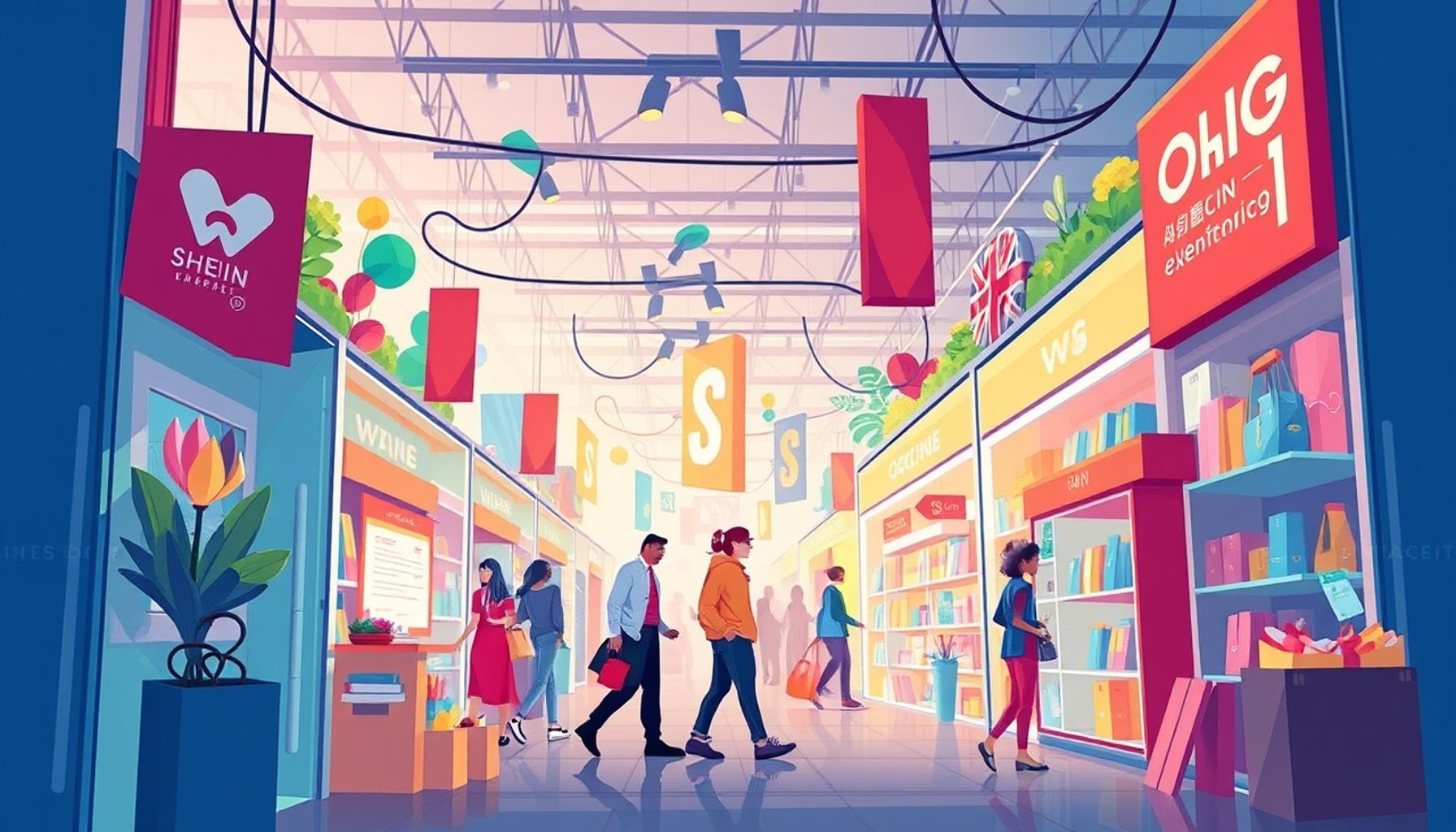
The Rise of Shein in Digital Fashion
The digital landscape is undergoing a radical transformation, with e-commerce at the forefront of this shift. Among the leading players, Shein has emerged as a game-changer in digital fashion. This fast-fashion giant is not only redefining shopping experiences but also influencing trends on a global scale. Its innovative strategies and tech-savvy approaches set it apart in a crowded market, making it a pivotal player in the fashion industry.
What makes Shein stand out in the crowded e-commerce market? Here are some key factors:
- Speed: Shein’s ability to design, produce, and deliver new styles in a matter of weeks keeps consumers engaged. The brand adopts a “just-in-time” manufacturing model, which leverages data analytics to capture current trends and rapidly respond to consumer demands. Unlike traditional retailers that may take months to roll out new lines, Shein can launch hundreds of new items on its website daily, ensuring that shoppers find a fresh selection every time they visit.
- Affordability: The brand offers trendy apparel at competitive prices, making fashion accessible to a broader audience. With many items priced under $30, Shein caters particularly to a younger demographic, such as students and young professionals, who may not have substantial disposable incomes. The emphasis on affordability is complemented by frequent promotions and discounts, further entrenching the brand in the budget-conscious consumer’s mind.
- Personalization: With advanced algorithms, Shein tailors recommendations to individual preferences, enhancing user experience. The platform analyzes customer behavior, past purchases, and browsing history to deliver a highly personalized shopping experience. This not only boosts customer satisfaction but also encourages repeat purchases, as shoppers are more likely to find items that resonate with their unique style.
Despite its success, Shein’s rapid growth has raised serious questions about sustainability and ethical manufacturing practices. Critics argue that the fast-fashion model contributes to environmental degradation and labor exploitation. As consumer awareness grows around these issues, Shein faces increasing pressure to adopt more sustainable practices. For instance, the brand has recently made efforts to improve transparency in its supply chain and introduce eco-friendly collections, although many contend these measures are just a start.
As the company expands its reach, it raises questions about sustainability and the future of fashion. The rise of e-commerce powers the demand for continuous innovation, driving Shein to adapt and evolve. The brand’s blend of affordability and speed places it in a unique position to respond to market changes rapidly, yet this very agility may come at a social cost that is difficult to ignore.
Join us in exploring how this dynamic force is reshaping the world of digital fashion and what it means for consumers in the United States and beyond. Discover how Shein’s tactics set trends that may define the future of shopping as we know it, and contemplate the implications of a shopping culture that prioritizes speed and affordability over sustainability and ethical considerations.
DISCOVER MORE: Click here to learn about the cutting-edge changes in fast fashion
Innovative Strategies Driving Shein’s Growth
Shein’s remarkable ascent in the digital fashion sphere can be attributed to several innovative strategies that capitalize on the evolving consumer behavior within the realm of e-commerce. As shopping increasingly shifts online, Shein has adapted its business model to meet the demands of today’s digital-savvy shoppers. Here are some essential strategies contributing to Shein’s growth:
- Data-Driven Decision Making: At the heart of Shein’s operations lies a powerful data analytics system that enables the brand to monitor and predict trends almost in real-time. By leveraging consumer data from its vast online presence, Shein identifies what styles, colors, and sizes are in demand. This empowers the company to produce clothing that not only resonates with its customers but also reduces the risk of excess inventory—a common pitfall in traditional retail.
- Social Media Engagement: A major component of Shein’s strategy involves its seamless integration with social media platforms, particularly Instagram and TikTok, where it connects directly with its target audience. Collaborations with influencers and content creators amplify its reach, generating buzz and driving traffic to the site. This grassroots approach allows Shein to cultivate an engaged community of consumers who contribute to the brand’s visibility and desirability.
- Global Reach: Shein has successfully expanded its market beyond the United States, tapping into emerging markets across Europe, Asia, and Latin America. With a multilingual website and localized shipping options, the brand appeals to a diverse range of consumers eager for affordable fashion. This international strategy positions Shein as a dominant player in a globalized e-commerce landscape.
However, this rapid expansion is not without its challenges. The intense competition in the fast-fashion market has prompted Shein to continuously innovate. For example, the introduction of exclusive collections that change rapidly keeps consumers returning to the site for new products. Recent data indicates that Shein is creating products at a rate of over 6,000 new styles each week, which speaks to its commitment to being at the forefront of fashion trends.
Furthermore, Shein’s emphasis on user experience cannot be overlooked. The website and mobile application are tailored for easy navigation and shopping, featuring curated sections that enhance product discovery, personalized recommendations that cater to individual tastes, and straightforward checkout processes that make buying as seamless as possible. With growing mobile commerce trends, the optimization of its digital platforms is critical to maintaining increasing sales volumes.
As Shein navigates the complexities of the e-commerce ecosystem, its strategies highlight a growing trend in digital fashion—the integration of technology into both product creation and consumer engagement. With a keen focus on the principles of speed, data, and connectivity, Shein is not only transforming its own brand but also setting a template for future retailers aiming to thrive in the digital age.
| Advantage | Description |
|---|---|
| Rapid Inventory Turnover | Shein effectively utilizes data analytics to track trending styles and quickly refreshes its inventory, ensuring that customers have access to the latest fashion. |
| Affordable Pricing | By cutting down on traditional marketing costs and utilizing direct-to-consumer strategies, Shein provides high-quality fashion items at a fraction of the cost. |
| Global Reach | Shein’s operations extend to a global audience, leveraging the power of e-commerce to bring diverse fashion to consumers across the world. |
The e-commerce landscape is evolving rapidly, and Shein has positioned itself as a driving force in digital fashion. The brand’s success is attributed to its agile supply chain and innovative use of technology. With an ever-growing product range, Shein captures consumer attention by integrating social media influences into its offerings, making it a centralized hub for the latest trends.Furthermore, Shein has adopted a unique approach to sustainability in fashion, focusing on high-volume, low-cost production while still experimenting with eco-friendly materials. This balance between scale and conscience represents a significant shift in how fashion brands approach their supply chain, catering to the environmentally-conscious consumer.As e-commerce continues to grow, understanding the mechanisms that drive brands like Shein will be crucial for those interested in the digital fashion industry.
DIVE DEEPER: Click here to learn more about how technology is reshaping fast fashion
Customer-Centric Innovations in Shein’s Business Model
As Shein continues its rapid growth, a key differentiator in its success story is its unwavering focus on a customer-centric approach. By continually refining their business model based on consumer feedback and behavior, Shein has managed to forge a strong connection with its loyal customer base while simultaneously attracting new shoppers. Here are several facets of this strategy that underline how Shein is reshaping the landscape of digital fashion:
- Community-Driven Shopping Experience: Unlike traditional retailers, Shein has developed a shopping ecosystem where customer involvement goes far beyond mere transactions. Through features like Shein’s “SHEIN Community”, users can submit design ideas, vote on styles, and even contribute to product lines. This not only fosters a sense of ownership among consumers but also provides Shein with genuine insights into market demands, ensuring that their offerings are always on-trend.
- Flexible Pricing Strategies: Shein’s ability to offer high-quality apparel at competitive prices is unmatched in the fast-fashion realm. The brand frequently deploys time-limited sales, promotional codes, and loyalty programs designed to engage customers while driving traffic. By keeping an eye on price sensitivity and customer preferences, Shein can tailor these offers to maximize purchases and encourage repeat business.
- Personalization and Customization: With the proliferation of e-commerce, consumers increasingly expect personalized shopping experiences. Shein delivers on this expectation through its sophisticated algorithms that analyze shopping habits to provide individualized recommendations. The “Shop By Style” feature allows users to filter products based on personal style and preferences, further boxing in their search and enhancing overall satisfaction.
Additionally, the rise of user-generated content has been pivotal in shaping Shein’s communication and marketing strategies. By encouraging customers to share their outfits on social media platforms, Shein turns its shoppers into brand ambassadors. This not only amplifies brand visibility but creates an authentic representation of how Shein’s clothing fits into everyday lives, ultimately driving conversions.
Shein’s engagement with consumers is also marked by its robust use of influencer partnerships. By collaborating with macro and micro-influencers, Shein taps into existing communities and brings a sense of relatability to its product offerings. Events like the #SHEINHaul challenge encourage followers to showcase their haul purchases, generating organic excitement and visibility on platforms where many of its target consumers congregate.
Moreover, Shein has creatively adapted to environmental concerns associated with fast fashion. Their “Eco-Friendly” section features sustainable clothing and promotes an awareness initiative regarding waste in the fashion industry. By demonstrating a commitment to sustainability, Shein positions itself as a forward-thinking brand while appealing to the growing demographic of eco-conscious consumers.
This relentless focus on customer insight and satisfaction presents valuable lessons for other retailers. As digital fashion rapidly evolves, Shein’s adaptation serves as a model for leveraging technology and consumer feedback to create a thriving e-commerce environment. By recognizing that customers no longer just want products, but also a *meaningful* shopping experience, Shein is actively redefining the standards of online retail.
DISCOVER MORE: Click here to learn about SHEIN’s innovative collaborations
Conclusion: A New Era of Digital Fashion
As Shein continues to solidify its place in the ever-evolving landscape of e-commerce, its customer-centric innovations illustrate a transformative approach that other retailers can no longer afford to overlook. By fostering a community-driven shopping experience, implementing flexible pricing strategies, and leveraging advanced personalization techniques, Shein is reshaping the boundaries of digital fashion. The brand effectively understands that in today’s online marketplace, customers are not just seeking products—they desire experiences that resonate with their lifestyles and values.
Moreover, Shein’s strategic use of user-generated content and influencer partnerships amplifies its brand visibility while creating authentic connections with its audience. Events such as the #SHEINHaul challenge exemplify how active community engagement yields not only customer loyalty but also organic marketing opportunities that capitalize on social proof.
In light of growing concerns about sustainability, Shein’s ventures into eco-friendly fashion demonstrate its commitment to addressing critical issues within the industry. As consumers become increasingly eco-conscious, incorporating sustainable practices will be essential for any brand striving to maintain relevance and appeal.
In conclusion, the journey of Shein reflects a seismic shift in how fashion brands engage with consumers in the digital realm. It serves as a compelling case study for anyone interested in the future of retail, highlighting the indispensable role of customer insight, innovation, and sustainability as foundational pillars in this new age of e-commerce. As we look ahead, it’s clear that Shein is not just reshaping digital fashion; it is setting the stage for what online retail will become in the years to come.

Linda Carter
Linda Carter is a digital business trends writer and strategist specializing in emerging technologies and online revenue models. With extensive experience helping entrepreneurs and professionals adapt to the digital economy, she shares actionable insights on our platform about monetization strategies, consumer behavior shifts, and next-wave innovations. Her goal is to empower readers with practical frameworks to future-proof their businesses and capitalize on digital opportunities.