
Niche Opportunities in Affordable Fashion: How Startups Are Competing with Shein
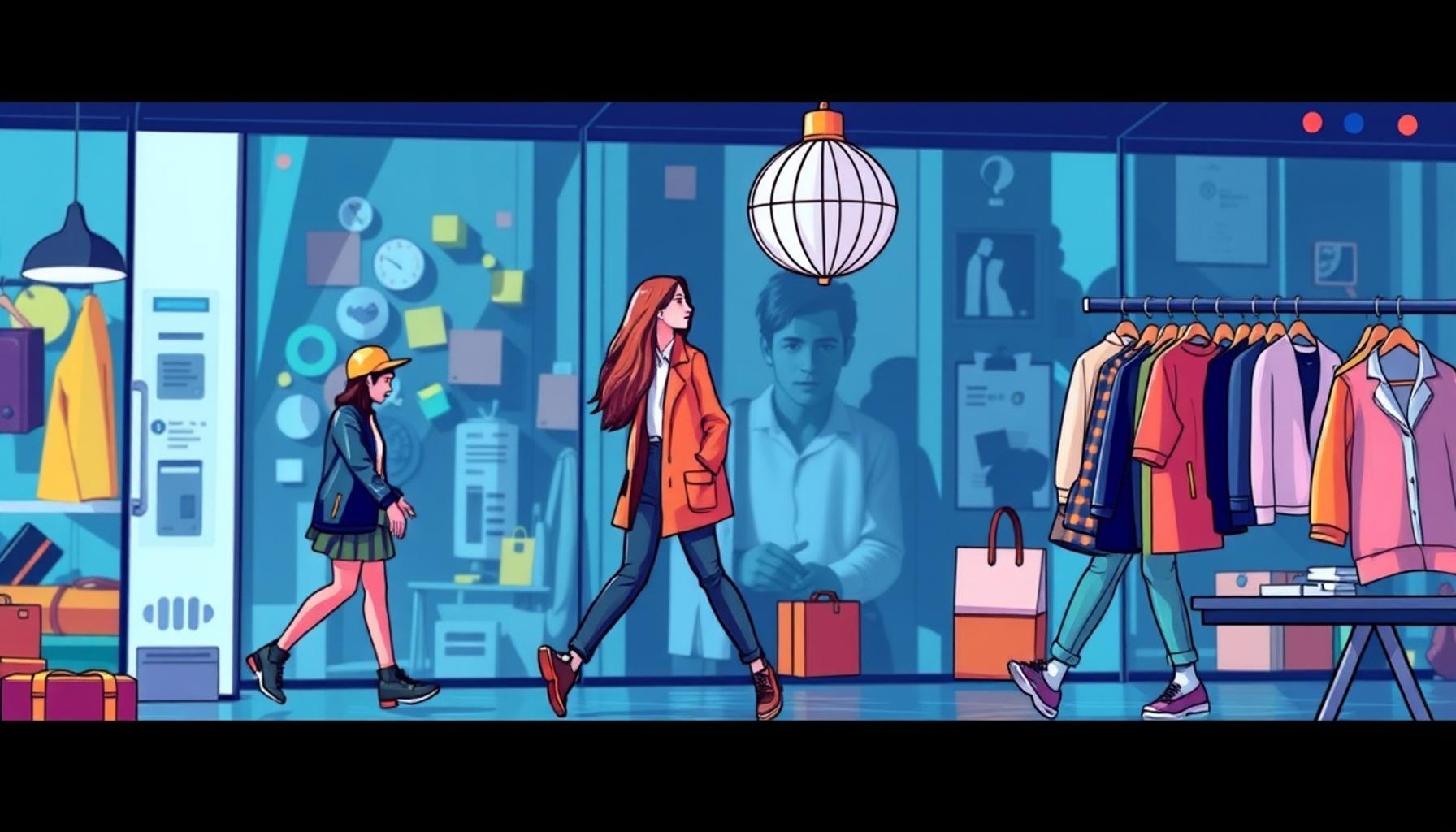
Emerging Trends in Affordable Fashion
The affordable fashion landscape is undergoing a seismic shift, characterized by a wave of startups challenging the dominance of established giants like Shein. As consumer consciousness increasingly leans towards aspects such as sustainability, ethical production practices, and individuality, these newcomers are adeptly navigating niche markets, thereby positioning themselves for success.
In this highly competitive atmosphere, startups are implementing various innovative strategies to attract a broad spectrum of consumers. Below are some notable approaches:
- Focus on Sustainability: A significant number of these startups are committing to the use of eco-friendly materials such as organic cotton, Tencel, and recycled polyester, which significantly reduce environmental impact. For example, brands like Reformation and Everlane are at the forefront, often engaging in transparent practices that allow consumers to trace the garment’s lifecycle.
- Customization Options: Personalization is becoming a vital tool, allowing customers to tailor products according to their tastes and body types. Startups like Uncustomary are offering services that let consumers choose fabric prints, styles, and fits, thereby creating a unique product without escalating costs.
- Inclusivity in Sizing: Recognizing the diverse body types of their consumers, many startups are committing to offering extended sizing options. For instance, brands like Aerie and Eloquii have garnered attention by promoting body positivity and inclusivity, making fashion accessible to a broader audience.
As consumer preferences evolve, the quest for clothing that reflects values beyond mere cost savings has become paramount. This marketplace evolution has paved the way for brands that emphasize:
- Storytelling and Brand Values: Consumers are increasingly drawn to brands with compelling narratives. Startups that highlight their commitment to social issues, such as fair labor practices and environmental stewardship, are resonating with socially conscious buyers who want to support meaningful causes.
- Local Production: Many emerging brands are focusing on local production to reduce carbon footprints and enhance community support. By sourcing materials and labor locally, these companies not only provide jobs but also engage customers who value homegrown products.
- Limited Edition Releases: The strategy of creating urgency and a sense of exclusivity through limited-edition collections is becoming popular. Brands like Supreme have mastered this tactic, and many startups are following suit, leading to increased consumer interest and engagement.
As startups continue to innovate and adapt, their strategies reflect a broader movement toward conscious consumerism within the affordable fashion sector. Observing how these fresh entrants shape the narrative around affordable fashion offers an intriguing glimpse into the future of the industry, suggesting a shift away from fast fashion towards a more thoughtful and responsible approach to style.
DISCOVER MORE: Click here to delve deeper
Innovative Strategies Revolutionizing Affordable Fashion
In the dynamic world of affordable fashion, startups are leveraging a multitude of innovative strategies to distinguish themselves from established players like Shein. These new brands are not merely repackaging trends; they are rewriting the rules of engagement with savvy marketing, a commitment to social causes, and unique shopping experiences that resonate deeply with today’s consumers.
One of the most notable aspects of this new wave of startups is their acute awareness of changing consumer expectations. As customers become increasingly sophisticated, their desire for differentiation and authenticity grows. Startups are stepping up to the plate with strategies that offer both style and substance. Among these, several key approaches stand out:
- Community Engagement: Many startups are prioritizing community engagement by fostering relationships with their customer base. Brands like Girlfriend Collective actively encourage feedback on product designs, ensuring they align better with consumer preferences. This two-way dialogue cultivates loyalty while simultaneously enriching the brand’s offerings.
- Social Media Savvy: Startups are adeptly harnessing the power of social media to create buzz around their products. By utilizing platforms like Instagram and TikTok, brands like House of Sunny not only display their collections but also nurture a community of followers eager for the latest trends. Influencer partnerships amplify their reach and drive organic engagement, allowing these brands to compete head-to-head with titans like Shein.
- Hyper-Targeted Marketing: Advanced data analytics allow startups to market in the most precise ways imaginable. With tools that analyze consumer behavior and preferences, brands can create targeted campaigns that resonate on an individual level, enhancing conversion rates significantly. This hyper-targeted approach ensures that marketing budgets wield a greater impact, fostering both sales and brand awareness.
Additionally, these startups are embracing the concept of a limited product lifecycle to create urgency around their offerings. This approach mirrors tactics perfected by streetwear brands, evoking a sense of exclusivity and increasing demand for each collection. By rolling out limited edition items that promote a “buy now or miss out” mentality, startups are effectively driving sales while creating community-driven hype.
Technological Advancements in Production
Moreover, technology plays a pivotal role in redefining the operational frameworks of these brands. With advancements in manufacturing technology, many startups are streamlining their production processes to enable quick turnarounds on emerging trends without the ecological footprint typically associated with fast fashion. Brands are now employing on-demand production, which significantly reduces overstock and waste—two critical issues plaguing the industry.
By focusing on these innovative strategies, startups in the affordable fashion niche are positioning themselves to thrive in a market historically dominated by giants. As consumers continue to redefine their values, these up-and-coming brands are capturing attention with their fresh perspectives on what stylish, affordable fashion can represent.
Niche Opportunities in Affordable Fashion
With the proliferation of online shopping and evolving consumer preferences, a diverse array of niche markets within the affordable fashion industry has emerged. Startups are capitalizing on these unique segments, distinguishing themselves from giants like Shein. One particular opportunity lies in the realm of sustainable fashion. Eco-conscious consumers are increasingly seeking brands that prioritize ethical production methods and environmentally friendly materials. Startups focusing on sustainability not only cater to this growing demographic but also gain a competitive edge with their transparency in sourcing practices.Furthermore, the demand for inclusivity is reshaping the market landscape. Many startups are championing extended sizing and gender-neutral clothing lines, appealing to a broader audience that has often been overlooked by mainstream brands. This focus on inclusivity fosters customer loyalty and enhances brand reputation among consumers seeking representation.Additionally, the rise of technological advancements has enabled startups to leverage data analytics for personalized shopping experiences. By understanding consumer behavior and preferences through advanced algorithms, these companies can deliver targeted marketing, ensuring higher conversion rates. Engaging platforms with virtual fitting rooms and augmented reality (AR) features not only attract new customers but also enhance the overall shopping experience, placing startups at the forefront of innovation.As we delve deeper into the undercurrents shaping the affordable fashion landscape, it becomes evident that startups are not only proliferating, but they are also redefining the rules of engagement in a market historically dominated by fast fashion titans. Each niche presents a unique opportunity for market differentiation, allowing these pioneers to expand beyond mere competition with Shein, creating new avenues for growth.
| Category | Description |
|---|---|
| Sustainable Fashion | Appeals to eco-conscious consumers with ethical practices and materials. |
| Inclusivity | Championing size diversity and gender neutrality to attract underserved markets. |
| Technology Integration | Utilizing data analytics and AR for personalized shopping experiences. |
The landscape of affordable fashion is rapidly changing, presenting challenging but thrilling opportunities for startups willing to innovate. Each of these niches underlines the transformative power of contemporary consumer values, laying the groundwork for a more diverse and equitable fashion industry.
DISCOVER MORE: Click here to dive deeper
Emphasizing Sustainability and Ethical Practices
While innovation and technology are crucial to the success of startups in the affordable fashion sector, sustainability and ethical practices are becoming defining elements in their business mandates. Conscious consumerism is on the rise, particularly among millennials and Gen Z, prompting startups to take noticeable strides towards eco-friendly operations and ethically sourced materials. Brands such as Reformation and Tentree have emerged by placing transparency at the forefront of their missions, appealing directly to consumers who are increasingly inclined to support sustainable practices.
These brands often highlight their sustainable choices, whether it be through using organic materials, implementing recycling programs, or committing to carbon neutrality. A recent report indicates that approximately 66% of global consumers are willing to pay more for sustainable brands, making this niche a lucrative opportunity for startups willing to align their values with their operational models.
Furthermore, startups are tapping into innovative materials and production processes that minimize waste. The use of biodegradable fabrics, such as Tencel or hemp, is gaining traction, allowing for both stylish designs and minimal environmental impact. These options not only appeal to the ethical consumer but also ensure that brands can maintain competitiveness in quality against mass-produced fast fashion items.
User-Centric Platforms and Personalization
Another groundbreaking approach that startups are finding success with is the enhancement of user-centric platforms. These digital interfaces are designed to create immersive shopping experiences, integrating virtual fitting rooms, augmented reality, and personalized recommendations. Startups like Fashmates are utilizing technology to give shoppers tailored suggestions based on individual style preferences and body types, effectively bridging the gap between online and in-store shopping experiences.
The integration of artificial intelligence allows these platforms not only to analyze shopping habits but also to suggest pieces that match current trends, creating a seamless yet engaging shopping experience. As more consumers turn to their devices for fashion needs, startups that offer a personal touch will likely capture a significant market share from the likes of Shein, which traditionally relies on a one-size-fits-all approach.
Moreover, with competitive pricing structures, these startups can entice customers looking for both affordability and a personalized shopping experience. A report from Statista highlights that over 70% of consumers prefer shopping from brands that offer recommendations based on past purchases, illustrating how essential personalization is in today’s retail landscape.
Strategic Collaborations and Pop-Up Culture
In addition to leveraging technology and sustainable practices, startups are capitalizing on the power of strategic collaborations to broaden their reach. By partnering with well-known influencers, artists, or even larger retailers, they can enhance brand visibility and penetrate new market segments. Such collaborations bring unique, limited-edition items that generate excitement and buzz around both companies involved.
Moreover, the pop-up shop culture has emerged as a trend that gives startups a low-risk avenue to test new markets and connect directly with consumers. These temporary retail spaces create opportunities for in-person engagement, allowing brands to showcase their story, and products while garnering immediate feedback from shoppers. The tactile experience of trying on clothes and feeling materials is something that online-only retailers like Shein cannot replicate.
As a result, startups are establishing themselves as viable competitors by embracing innovation, focusing on sustainability, personalizing experiences, and fostering meaningful connections with consumers. With each strategic development, they are carving out a niche that not only addresses present demands but also anticipates future trends in affordable fashion.
DIVE DEEPER: Click here to learn more
Conclusion
The landscape of affordable fashion is undergoing a transformative shift as startups harness niche opportunities to effectively challenge established players like Shein. By placing a strong emphasis on sustainability and ethical practices, these innovative brands attract a conscious consumer base that values transparency and eco-friendliness. As consumers increasingly demand brands that align with their ethical values, startups are adapting by using sustainable materials and creating responsible production processes that resonate with their target audience.
Additionally, the rise of user-centric platforms is revolutionizing the shopping experience, enabling brands to offer personalized suggestions that meet the unique preferences of each customer. This level of customization not only enhances customer engagement but also positions these startups as agile competitors in a predominantly impersonal market. With over 70% of consumers favoring tailored recommendations, it’s clear that the future of retail lies in individualization.
Finally, through strategic collaborations and the embrace of pop-up culture, these startups amplify their outreach while delivering unique products that spark interest and conversation within the community. This hands-on approach not only facilitates a direct connection with consumers but also ensures immediate feedback on their offerings, something large-scale online retailers struggle to achieve.
In conclusion, startups in the affordable fashion sector are rising to prominence by merging innovation with ethical consciousness and personalized experiences. As they carve out their niche in the competitive landscape, it becomes evident that the wave of conscious consumerism and tech-driven solutions offers promising prospects for those willing to challenge the status quo of fast fashion. The shifting tides may well redefine what it means to shop affordably, signaling an exciting era in the world of fashion.

Linda Carter
Linda Carter is a digital business trends writer and strategist specializing in emerging technologies and online revenue models. With extensive experience helping entrepreneurs and professionals adapt to the digital economy, she shares actionable insights on our platform about monetization strategies, consumer behavior shifts, and next-wave innovations. Her goal is to empower readers with practical frameworks to future-proof their businesses and capitalize on digital opportunities.