Inclusive Fashion Startups: Creating Spaces for Diversity in the Digital Market
The Evolving Dynamics of Fashion Trends
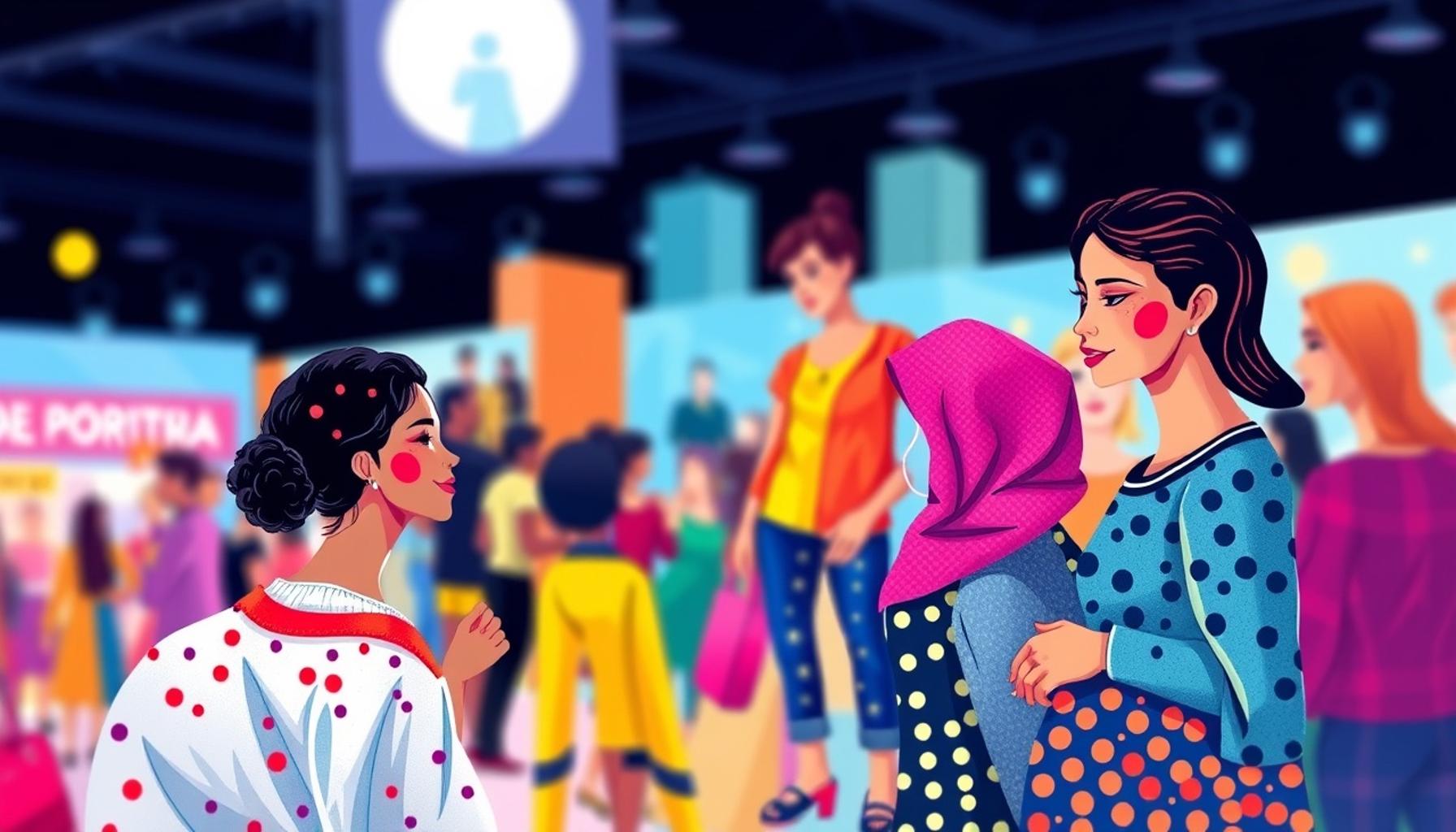
The fashion industry is experiencing a profound transformation, one that embraces a broader, more inclusive approach aimed at reflecting the rich diversity of our society. This shift is underscored by the emergence of inclusive fashion startups that are disrupting traditional norms and providing innovative products tailored to a wider audience. In an era where consumers seek connections with brands that resonate with their personal identities, these startups are leading the way.
This evolution goes beyond mere aesthetics; it encompasses representation and empowerment. Central to this movement are several key components:
- Diverse sizing options: Brands are now offering clothing that caters to a range of body types, ensuring that everyone, regardless of their size, can find fashionable and comfortable attire. For instance, companies like Savage X Fenty and Aerie have revolutionized the lingerie market by offering expansive size ranges, promoting body positivity and inclusivity.
- Gender-neutral clothing: This innovation defies traditional fashion norms by providing options that are not confined by gender binaries. Brands such as Telfar and Palomo Spain have successfully created collections that invite individuals to express themselves without the limitations of gendered categories.
- Culturally-inspired designs: Celebrating diverse backgrounds through fashion, startups are infusing their collections with elements that honor various cultures and traditions. This approach not only enriches the fashion landscape but also fosters appreciation and understanding of different heritages.
Many nascent enterprises are stepping in to address the void left by conventional fashion giants. They are focusing on:
- Ethical sourcing: Committed to sustainability, these startups prioritize responsible production methods. For example, brands like Reformation and Everlane are transparent about their processes, often sharing details about their supply chains and environmental impacts.
- Inclusive marketing: Moving away from unrealistic beauty standards, inclusive fashion brands are showcasing real-world diversity in their advertising campaigns. This shift not only resonates with consumers but also empowers individuals to feel seen and valued.
- Community engagement: Many of these startups actively participate with their communities to foster support and raise awareness around issues of inclusivity and representation. Initiatives include collaborations with local artists and activists to amplify diverse voices.
As the digital marketplace continues to expand, it presents unique opportunities for these inclusive fashion startups to flourish. They succeed not only in reshaping consumer behaviors but also in challenging longstanding industry norms. These brands are proving that fashion can serve as a powerful tool for inclusivity and expression, allowing individuals to celebrate their identities through what they wear.
Delve into the captivating realm of inclusive fashion and discover how these innovative startups are paving the way toward a more diverse and equitable industry, encouraging everyone to express their authentic selves through style.
DIVE DEEPER: Click here to learn more
Empowering Through Diversity: The Role of Inclusive Fashion Startups
The rise of inclusive fashion startups is not just about catering to underserved markets; it’s a revolution rooted in empowerment and self-expression. As these brands emerge, they embody a profound philosophy that fashion should not merely be about clothing, but a medium for celebrating individual uniqueness and cultural narratives. This niche is gaining significant traction as consumers, particularly in the United States, increasingly find themselves yearning for brands that represent their identities and values.
Research indicates that more than half of consumers are more likely to purchase from brands that promote diversity in representation. This shift signifies that shoppers are moving beyond traditional retailers and actively seeking out startups that reflect their values. Within this evolving landscape, several crucial trends have surfaced, reshaping how fashion is perceived and consumed:
- Customizable options: Startups are recognizing the demand for personalization in fashion. Brands like Unplugged and Indochino offer customizable sizing and design options, enabling customers to create bespoke garments that suit their unique body shapes and style preferences.
- Body positive messaging: The narrative surrounding beauty and body image is altering as brands embrace diverse representations. Companies like Universal Standard promote inclusivity not just in sizing but also by celebrating body confidence through messaging that resonates with customers of all shapes and sizes.
- Adaptive apparel: Catering to individuals with disabilities, brands such as INDI and Zappos Adaptive are creating functional yet fashionable clothing. These innovations help dismantle barriers, ensuring that everyone can enjoy stylish clothing designed with accessibility in mind.
As important as these trends are, the fabric of inclusive fashion startups extends to more than just product offerings. Their market strategies are just as innovative, reflecting a keen understanding of digital consumer behavior. Inclusive brands leverage social media and digital platforms, fostering an inclusive community that allows customers to engage and share their narratives.
Additionally, many of these startups partner with influencers who advocate for diversity, moving away from conventional marketing tactics that often narrow the definition of beauty. By featuring real customers, rather than stylized shots of unattainable models, they cultivate genuine connections with their audience while fostering a sense of belonging.
Moreover, the impact of inclusive fashion startups extends beyond consumer trends; they are driving a conversation around ethical business practices and social responsibility. These brands tend to focus on sustainable materials and fair working conditions, appealing to a customer base that is not merely interested in fashion but in aligning their purchases with their values.
In this evolving digital marketplace, where anonymity can often obscure the power of individual identity, inclusive fashion startups are carving out distinctive spaces that encourage diversity, self-expression, and ethical consumption. By championing a broad spectrum of identities and narratives, they invite consumers into a richer, more dynamic dialogue about what fashion can—and should—be.
Embracing Diversity Through Innovative Platforms
The digital landscape has become a transformative space for inclusive fashion startups. This wave of innovation not only challenges the status quo but also champions diversity and representation. These startups harness digital tools to create platforms that cater to previously underrepresented groups in the fashion industry, including plus-size individuals, those with disabilities, and culturally diverse communities. As traditional fashion houses often lag in inclusivity, these startups fill the gap with unique offerings that resonate with a broader audience.
One notable example is the rise of virtual fitting rooms, which employ augmented reality to help customers find their perfect fit irrespective of body shape or size. This technology not only enhances the shopping experience but also increases confidence, encouraging customers to express their individuality through fashion. Furthermore, curated collections from diverse designers are gaining traction, allowing customers to explore styles that reflect their cultural backgrounds.
As these startups craft an inclusive narrative, they also pave the way for a more sustainable market. Many focus on ethical production practices and eco-friendly materials, appealing to the environmentally conscious consumer. This convergence of sustainability and inclusivity is not just a trend; it is a profound shift in consumer expectations that is reshaping the fashion landscape, driving more startups to adopt similar standards.
| Category | Advantages |
|---|---|
| Diversity in Product Offerings | Increased range accommodating various body types and cultural preferences. |
| Market Reach | Enhances engagement with a wider audience by embracing different backgrounds. |
As the landscape evolves, the impact of inclusive fashion startups resonates beyond consumers; they redefine industry standards, drive innovation, and foster a new era of respect and understanding in fashion. The shift towards inclusivity could very well set a precedent for future business models across various sectors.
DIVE DEEPER: Click here to uncover the impact of digital influence
Redefining Accessibility: How Inclusive Fashion Startups Are Changing the Game
As the inclusive fashion movement gains momentum, it’s evident that these startups are not just creating products; they are actively redefining the meanings of accessibility and representation within the fashion industry. With an increasing emphasis on customer experience and emotional engagement, these brands are designing their business models to resonate deeply with consumers who have felt marginalized by conventional fashion practices.
One innovative approach has been the integration of technology. Numerous startups are utilizing advanced technologies such as 3D body scanning and virtual fitting rooms. Companies like Bold Metrics harness AI to deliver accurate size recommendations, empowering customers with data-driven options that minimize return rates, enhance shopping satisfaction, and encourage ethical consumption. This is particularly significant when considering that size-related returns account for a substantial portion of online retail losses.
Additionally, platforms like Stitch Fix have revolutionized subscription fashion services, employing stylists who cater to diverse body types and individual preferences. The inclusive algorithm behind these services analyzes customer feedback, further refining the curation of outfits that genuinely reflect their unique aesthetics. Consumers are given the reigns to tailor their experiences, making fashion not just accessible but truly personal.
Moreover, startups are committed to inclusivity from the ground up. Beyond expanded sizing and diverse marketing campaigns, many brands are designing their supply chains to reflect their ethos. For example, Girlfriend Collective prioritizes transparency in production, advocating for fair wages and sustainable practices, creating a ripple effect that influences consumer purchasing behavior. This commitment not only enhances brand loyalty but also positions these startups as leaders in the ethical fashion space.
Another important aspect to highlight is the role of community-building in the success of inclusive fashion startups. These brands have fostered vibrant online communities where customers can share experiences, promote their stories, and connect with others who resonate with their journeys. Social media platforms like Instagram and TikTok have served as vital tools in this effort, allowing startups to create a sense of belonging among people from various backgrounds. A prime example is the hashtag culture surrounding body positivity and adaptive fashion, bringing visibility to voices that have been historically underrepresented.
Furthermore, the impact of inclusive fashion startups extends to cultural representation, challenging the traditional narratives often perpetuated by mainstream fashion. Collaborations with artists and influencers from diverse cultural backgrounds allow these brands to celebrate artistry and heritage in ways that transcend mere trendiness. By curating collections that reflect a mosaic of cultural identities, startups not only cater to a wide array of consumer preferences but also promote the importance of cultural heritage in fashion.
As inclusive fashion startups continue to thrive in the digital market, they demonstrate an essential shift in consumer expectations. Shoppers now seek brands that prioritize authenticity, ethicality, and the power of narrative. The future landscape of fashion is one where diversity is not just a checkbox, but a celebration—a reflection of the multifaceted identities that define contemporary society.
DISCOVER MORE: Click here to learn about the impact of influencer marketing on Shein’s e-commerce success</a
Conclusion: The Future of Inclusive Fashion in the Digital Market
The rise of inclusive fashion startups marks a transformative era within the fashion industry, where diversity and representation are increasingly becoming pivotal elements of brand identity. These innovators are not merely responding to consumer demands; they are shaping a new narrative that prioritizes every individual’s right to feel valued and beautiful in their clothing. Their ongoing emphasis on accessibility goes beyond product offerings; it extends into reshaping the customer shopping experience by employing technology such as 3D body scanning and personalized styling. This incorporation of tech enables brands to craft tailored experiences that dramatically enhance customer satisfaction and minimize waste.
Moreover, the community-driven aspects of these startups cultivate an enriched atmosphere where individuals from diverse backgrounds can connect and share their stories. The power of social media serves as a catalyst for these connections, fostering a sense of belonging that extends far beyond traditional retail. Additionally, the commitment to ethical practices rooted in sustainable production processes sets a commendable precedent for the industry as a whole. As consumers become increasingly discerning, the demand for authenticity and ethicality will continue to grow.
In conclusion, inclusive fashion startups are not just carving out a niche; they are pioneering a paradigm shift that redefines the very essence of fashion in the digital landscape. By championing diversity, enhancing accessibility, and advocating for ethical practices, they are illuminating a path toward a future where fashion becomes a true representation of the vibrant tapestry of human experiences. As this movement evolves, it invites us all to participate in the ongoing conversation about belonging, identity, and the power of personal expression through style.

Linda Carter
Linda Carter is a digital business trends writer and strategist specializing in emerging technologies and online revenue models. With extensive experience helping entrepreneurs and professionals adapt to the digital economy, she shares actionable insights on our platform about monetization strategies, consumer behavior shifts, and next-wave innovations. Her goal is to empower readers with practical frameworks to future-proof their businesses and capitalize on digital opportunities.